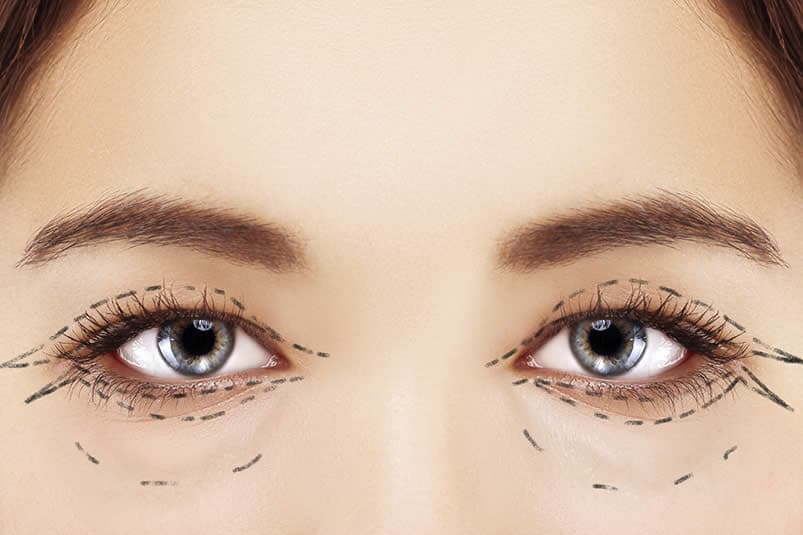
Eyelid Surgery
Eyelid surgery, or blepharoplasty, can help you look more rested and alert by addressing drooping upper lids, under-eye bags, and excess skin around the eyes.
At a Glance
Procedure Time
1-2 hours
Recovery Time
1-2 weeks
Board-Certified
ABPS Surgeon
Starting Cost
$4,000+
What is Blepharoplasty?
Blepharoplasty, commonly known as eyelid surgery, is a precise surgical procedure that rejuvenates the eye area by addressing excess skin, weakened muscles, and protruding fat deposits that cause a tired, aged appearance. The eyes are often the first facial feature to show signs of aging, the delicate periorbital skin is among the thinnest in the body and lacks the structural support found elsewhere on the face. Over time, this leads to hooding of the upper eyelids, under-eye bags, and a perpetually fatigued look regardless of how rested you actually feel. Dr. Kurtzman approaches each blepharoplasty with an artist's eye, understanding that successful eyelid surgery isn't simply about removing tissue, it's about restoring the natural, youthful contour of the eye while preserving the unique characteristics that make your eyes distinctly yours. Results typically last 5-10 years for upper lids and even longer for lower lid surgery, making blepharoplasty one of the most long-lasting facial rejuvenation procedures available.
Technique Options
Dr. Kurtzman offers multiple facelift techniques tailored to your unique needs and goals:
Upper Blepharoplasty
Addresses hooded upper lids by removing excess skin and repositioning or removing protruding fat pads. Incision hidden within the natural crease.
Best for: Patients with drooping upper lids, hidden eyelid crease, or vision obstruction from excess skin
Lower Blepharoplasty (External)
Addresses under-eye bags and excess skin through a subciliary incision just below the lash line. Allows for skin removal and fat repositioning.
Best for: Patients with both puffy under-eye bags and loose, crepey lower lid skin
Transconjunctival Blepharoplasty
A scarless approach where the incision is made inside the lower eyelid, ideal for addressing fat pockets without skin removal.
Best for: Younger patients with good skin elasticity who have puffy bags but don't need skin removal
Combined Upper & Lower Blepharoplasty
Full eyelid rejuvenation addressing both upper and lower lids in a single procedure for complete eye area transformation.
Best for: Patients with aging changes affecting both upper and lower eyelids who want full results
Ideal Candidates
Blepharoplasty delivers the most satisfying results for patients who meet certain criteria. During your consultation, Dr. Kurtzman will carefully evaluate your eyelid anatomy, tear trough area, and overall facial structure:
- Drooping or hooded upper eyelids that create a tired appearance or obstruct peripheral vision
- Puffy bags or dark hollows under the eyes that persist despite adequate rest
- Excess skin creating folds that hide the natural upper eyelid crease or interfere with makeup application
- Herniated fat pads causing visible bulges in the upper or lower eyelids
- Good skin elasticity, eyelid skin should still have reasonable tone and texture
- No underlying eye conditions such as dry eye syndrome, glaucoma, or thyroid eye disease (or these must be well-controlled)
- Non-smoker or willing to quit 4 weeks before and after surgery to support proper healing
- Realistic expectations, understanding that eyelid surgery refreshes but works within your natural anatomy
The Procedure
Dr. Kurtzman customizes each blepharoplasty based on your specific anatomy and concerns. Whether addressing upper lids, lower lids, or both, precision is paramount given the delicate structures involved:
1. Anesthesia & Preparation
Eyelid surgery is typically performed under local anesthesia with sedation, keeping you comfortable while allowing for precise tissue assessment. The eye area is carefully cleaned and marked according to the surgical plan discussed during your consultation.
2. Upper Eyelid Incision
For upper blepharoplasty, Dr. Kurtzman places the incision precisely within the natural eyelid crease. This strategic placement ensures the scar becomes virtually invisible once healed, hidden in the fold when your eyes are open.
3. Tissue Removal & Sculpting
Excess skin is carefully measured and removed, not too much, which could prevent proper eyelid closure, and not too little, which would leave you with an incomplete result. Protruding fat is either removed or repositioned to eliminate puffiness while avoiding a hollow appearance.
4. Lower Eyelid Approach
Lower lids may be addressed through a transconjunctival incision (inside the eyelid, leaving no visible scar) or a subciliary incision (just below the lash line). Dr. Kurtzman selects the approach based on whether fat removal, fat repositioning, or skin removal is needed.
5. Fat Repositioning
Modern blepharoplasty often involves repositioning rather than removing fat. Descended fat pads can be redirected to fill hollow tear troughs, creating a smoother transition between the lower eyelid and cheek.
6. Precise Closure
Fine sutures close the incisions with careful attention to alignment. Proper closure technique is critical for minimal scarring and natural-looking results. Sutures are typically removed within 5-7 days.
Recovery & Results
Recovery from blepharoplasty is relatively quick compared to other facial surgeries. Days 1-2: Expect significant swelling and bruising; cold compresses and head elevation are essential. Keep the eyes lubricated with prescribed ointment. Days 3-5: Bruising peaks then begins to fade; swelling starts to subside. You may experience some dryness or eye sensitivity. Days 5-7: Sutures are removed; most patients can wear glasses comfortably. Week 2: Most visible bruising has faded and you'll feel comfortable returning to work and social activities. Many patients use concealer for residual discoloration. Weeks 3-4: Continue avoiding strenuous activity and anything that increases blood pressure to the head. The healing tissue is still delicate.
You'll notice improvement immediately, but your true results emerge over 2-3 months as all swelling resolves and tissues settle. Upper blepharoplasty results typically last 5-10 years, while lower lid results often last even longer since the underlying fat removal is lasting. Your eyes will continue to age naturally, but from a more youthful starting point. Many patients find that their refreshed eyes make them look more alert, approachable, and rested, often the most-noticed improvement by friends and family.
Real Patient Results
See the transformative results our patients have achieved
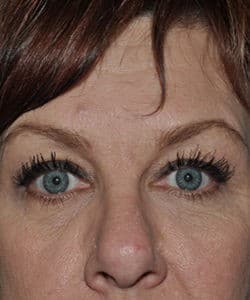
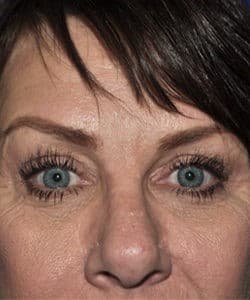
Upper Blepharoplasty
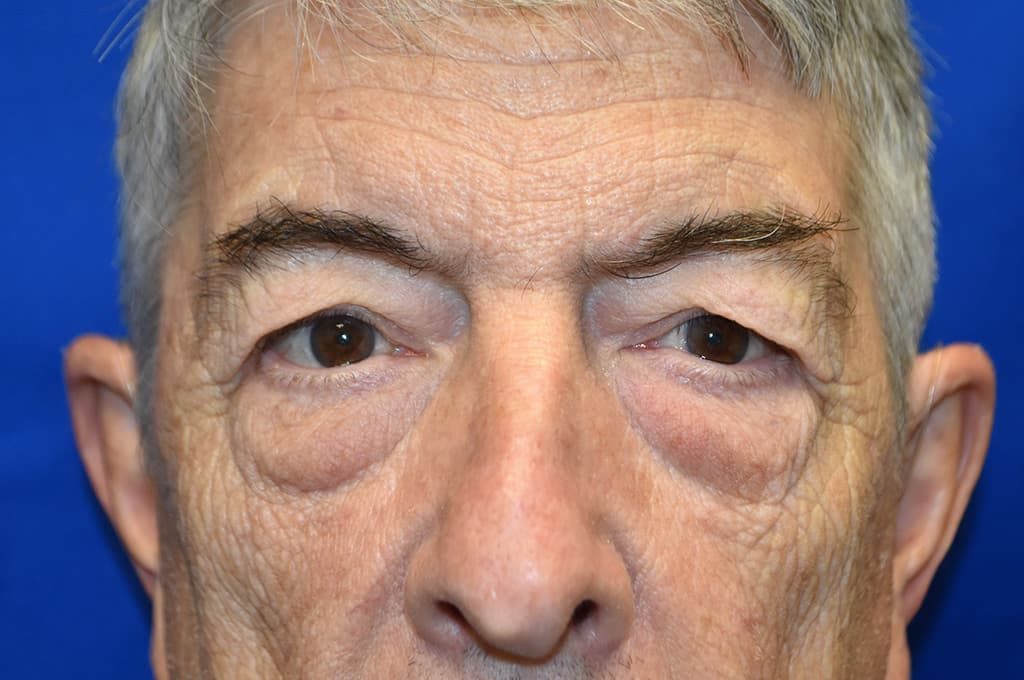
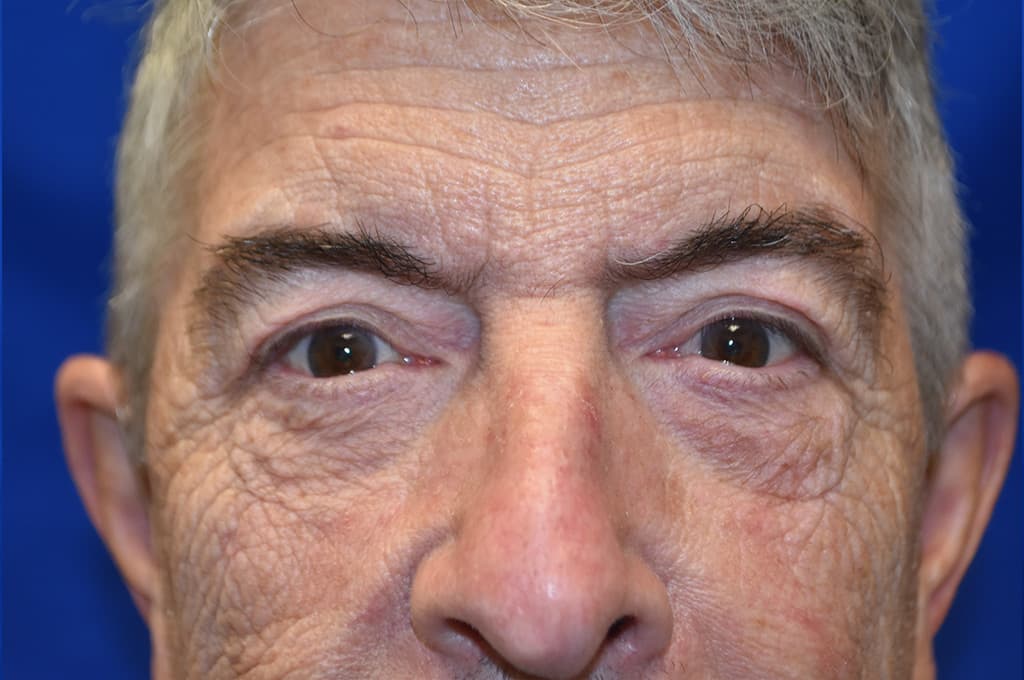
Upper & Lower Blepharoplasty
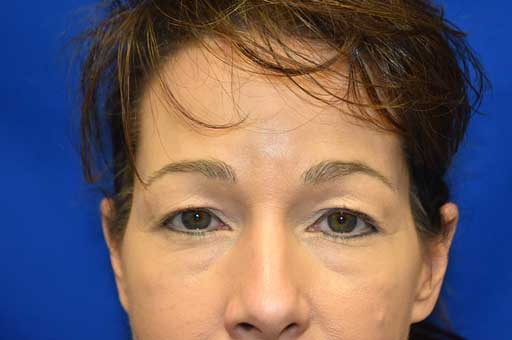
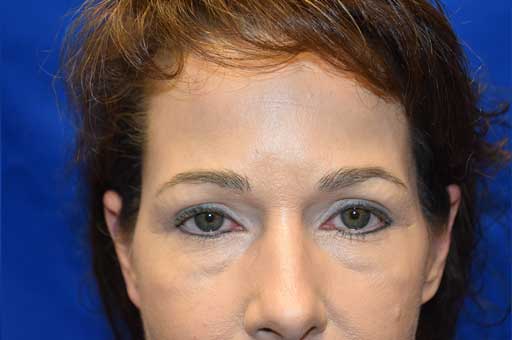
Upper Blepharoplasty
2 views available
Frequently Asked Questions
Will eyelid surgery change my eye shape or expression?
No. Dr. Kurtzman's conservative approach preserves your natural eye shape and expression. The goal is to refresh and rejuvenate, to reveal a more rested version of your eyes, not to create a different appearance. Patients often hear 'you look great!' without anyone suspecting surgery.
Can insurance cover upper eyelid surgery?
Yes, upper blepharoplasty may be covered by insurance when drooping eyelids significantly impair peripheral vision, a condition called dermatochalasis. We can perform visual field testing and provide the documentation needed for insurance approval. Lower blepharoplasty is considered cosmetic and is not covered.
What's the difference between upper and lower blepharoplasty?
Upper blepharoplasty primarily addresses excess skin and fat causing hooding over the eye. Lower blepharoplasty focuses on under-eye bags, puffiness, and hollow tear troughs. Many patients benefit from addressing both in a single procedure for full rejuvenation.
Will I have visible scars?
Upper eyelid scars are hidden within the natural crease and become virtually invisible within a few months. Lower eyelid scars, when an external incision is used, are placed just below the lash line and heal to a fine, barely perceptible line. Transconjunctival (inside the lid) incisions leave no external scar at all.
Can blepharoplasty be combined with other procedures?
Yes. Blepharoplasty is frequently combined with brow lift (to address forehead and brow descent), facelift, or non-surgical treatments like Botox and laser resurfacing for full facial rejuvenation. Dr. Kurtzman can recommend complementary procedures during your consultation.
How long should I wait before wearing contact lenses or eye makeup?
Contact lenses can typically be worn 10-14 days after surgery once initial healing is complete and any dryness has resolved. Eye makeup can be applied around the same time, though you should be gentle and use fresh products to minimize infection risk.
Your Expert for Eyelid Surgery
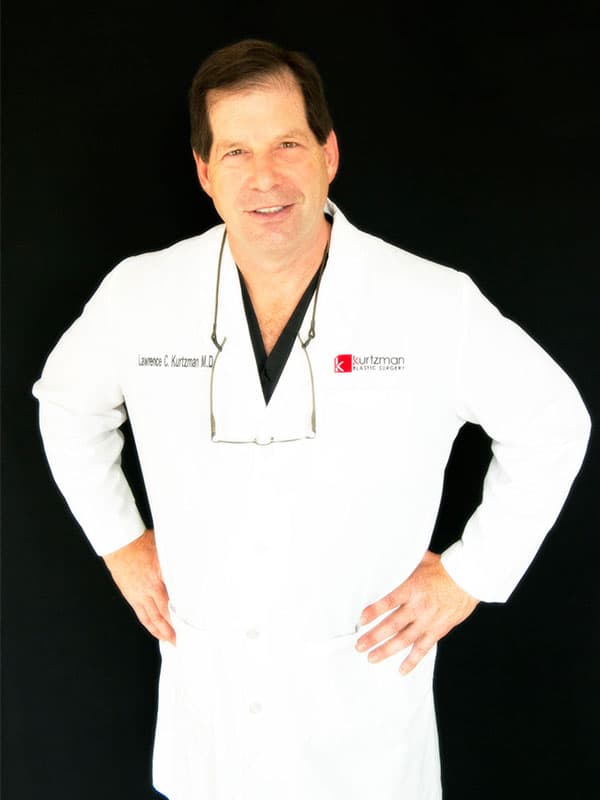
Lawrence C. Kurtzman, MD
MD
Board-Certified Plastic Surgeon
Why We Excel
- Careful technique preserving natural eye shape and expression
- Expert in both upper and lower blepharoplasty including transconjunctival approaches
- Fat repositioning techniques that address hollow tear troughs without over-removal
- Incisions hidden in natural creases for virtually invisible scarring
What Our Patients Say
Real experiences from Kurtzman Plastic Surgery patients
Ready to Learn More About Eyelid Surgery?
Schedule a private consultation to discuss your goals and explore your options with our expert team.