
Chemical Peels
Chemical peels use specially formulated solutions to remove damaged outer skin layers, revealing smoother, clearer, more youthful skin beneath.
At a Glance
Treatment Time
30-60 min
Recovery
1-14 days
Board-Certified
ABPS Surgeon
Starting Cost
$150+
What are Chemical Peels?
Chemical peels are medical-grade skin treatments that apply specially formulated acid solutions to remove damaged outer skin layers, revealing new, regenerated skin that is smoother, more even, and more youthful. They work by causing a controlled injury to the skin, which triggers the body's natural healing response, shedding damaged cells and stimulating collagen production. Chemical peels range in depth from superficial to deep, and the type of peel selected depends on your specific concerns, skin type, and how much downtime you can accommodate. Superficial peels use mild acids like alpha-hydroxy acids (AHAs) or beta-hydroxy acids (BHAs) to gently exfoliate the outermost layer. Medium-depth peels penetrate to the middle layers of skin using trichloroacetic acid (TCA), addressing more significant concerns. Deep peels reach the lower dermal layers for dramatic improvement of severe wrinkles or scars. Unlike over-the-counter products or spa-grade peels, medical-grade chemical peels use higher concentrations of active ingredients and are performed under physician supervision for safety and optimal results. Chemical peels have been used in dermatology and plastic surgery for over a century and remain one of the most effective treatments for improving skin texture, tone, and clarity.
Technique Options
Dr. Kurtzman offers multiple facelift techniques tailored to your unique needs and goals:
Light/Superficial Peels
Using alpha-hydroxy acids (glycolic, lactic) or beta-hydroxy acids (salicylic) at lower concentrations. Provides gentle exfoliation with no downtime, perfect for maintenance and mild concerns.
Best for: First-time peel patients, sensitive skin, monthly maintenance, or those who cannot tolerate any downtime.
Medium-Depth TCA Peels
Trichloroacetic acid (TCA) penetrates to the papillary dermis, providing significant improvement in fine lines, pigmentation, and texture with approximately 7 days of social downtime.
Best for: Patients with moderate sun damage, acne scarring, or pigmentation who can accommodate a week of recovery.
Combination Peels
Custom-blended peels combining multiple acids (Jessner's solution, glycolic + TCA) to address specific concerns while controlling depth and recovery.
Best for: Patients with multiple skin concerns who need a adjusted approach for optimal results.
Deep Phenol Peels
The most intensive peel option, penetrating to the reticular dermis for dramatic improvement of deep wrinkles, severe sun damage, and significant textural issues. Requires 2+ weeks of recovery.
Best for: Patients with severe photodamage or deep wrinkles who want maximum improvement and can accommodate extended recovery.
Ideal Candidates
Chemical peels can address a wide range of skin concerns. During consultation, we assess your skin type, concerns, and lifestyle to recommend the optimal peel for your needs:
- Have fine lines and wrinkles, particularly around the eyes and mouth, that make the skin look aged
- Experience uneven skin tone, sun damage, or photodamage from years of sun exposure
- Have acne scars, post-inflammatory hyperpigmentation, or rough, textured skin
- Notice age spots, melasma, or other hyperpigmentation that makes skin look uneven
- Want to improve overall skin clarity, radiance, and texture without surgery
- Are willing to commit to proper sun protection after treatment (essential for all peels)
- Have realistic expectations, deeper concerns require deeper peels with more downtime
- Do not have active skin infections, open wounds, or conditions like active rosacea or eczema in treatment areas
The Procedure
Chemical peels are adjusted to your skin type and concerns. The depth of peel determines both the results and the recovery time:
1. Skin Assessment
Your skin is evaluated for type, concerns, and appropriateness for different peel depths. We discuss your goals, available downtime, and develop a treatment plan. Some patients may benefit from a pre-peel skin preparation regimen.
2. Skin Preparation
The treatment area is thoroughly cleansed to remove oils and debris. For medium and deep peels, a pre-peel solution may be applied. Your eyes and surrounding areas are protected.
3. Peel Application
The chemical solution is applied evenly to the skin using gauze, cotton applicators, or brushes. You may feel mild tingling (light peels) to more intense sensation (deeper peels). Multiple layers may be applied depending on the peel type.
4. Neutralization/Timing
For some peels, the acid is neutralized after a specific time period. For self-neutralizing peels (like TCA), the peel is left to work and timing is monitored carefully. You may feel warmth, tightening, or mild stinging.
5. Post-Treatment Care
A soothing mask, cooling agent, or healing ointment is applied. You receive detailed aftercare instructions including moisturization, sun protection, and what to expect during healing.
6. Follow-Up Assessment
For medium and deep peels, follow-up appointments monitor healing and address any concerns. For light peels, follow-up helps plan your series of treatments for optimal results.
Recovery & Results
Recovery varies significantly by peel depth. Light/superficial peels: Minimal to no downtime. Skin may appear slightly pink for a few hours; mild flaking may occur over 3-5 days. You can usually wear makeup immediately. Medium-depth peels: Expect 5-7 days of downtime. Skin becomes red, swells slightly, then peels significantly over days 3-7. You'll need to keep skin moist and protected. Avoid makeup until peeling completes. Deep peels: 10-14 days or more of recovery. Significant swelling, crusting, and peeling occur. The treated area requires dedicated wound care. Results are dramatic but require patience during healing. For all peels: Sun protection is absolutely essential during and after healing. Avoid sun exposure and use SPF 30+ daily.
Results depend on peel depth and your starting point. Light peels: Subtle improvement in radiance and texture after one treatment; optimal results require a series of 4-6 treatments. Medium peels: Noticeable improvement in fine lines, pigmentation, and texture with 1-2 treatments. Improvement continues for months as collagen rebuilds. Deep peels: Dramatic, long-lasting results often from a single treatment, can take years off your appearance. Results last for years with proper skincare and sun protection.
Frequently Asked Questions
How do I choose the right peel?
We'll recommend the appropriate peel based on your skin type, specific concerns, and available downtime. Light peels are perfect for maintenance and mild concerns with no downtime. Medium peels address more significant issues with moderate downtime. Deep peels are reserved for severe concerns when dramatic improvement is worth longer recovery.
Are chemical peels painful?
Light peels cause mild tingling or slight stinging that is brief and tolerable. Medium peels cause moderate burning/stinging during application (typically a few minutes). Deep peels may require sedation or anesthesia due to more intense sensation. Any discomfort is temporary and well-managed.
Can I have a peel if I have dark skin?
Yes, but caution is required. Darker skin types (Fitzpatrick IV-VI) are more prone to post-inflammatory hyperpigmentation. We'll select appropriate, safer peel types, possibly pre-treat with lightening agents, and adjust treatment protocols to minimize this risk.
How many treatments will I need?
Light peels typically require a series of 4-6 treatments spaced 2-4 weeks apart for optimal results. Medium peels may need 1-3 treatments. Deep peels often achieve significant results with just one treatment and are rarely repeated.
When will I see results?
Light peels: Immediate glow, with cumulative improvement over your treatment series. Medium peels: Once peeling resolves (7-10 days), you'll see clearer, smoother skin that continues improving for months. Deep peels: After healing (2-3 weeks), dramatic improvement is visible and continues for 6+ months.
What should I avoid after a chemical peel?
Sun exposure is the biggest risk, use SPF 30+ daily and avoid direct sun. Don't pick at peeling skin. Avoid retinoids, acids, and active skincare until healed. Skip strenuous exercise that causes sweating for 24-48 hours (light peels) to 1-2 weeks (deeper peels).
Your Expert for Chemical Peels
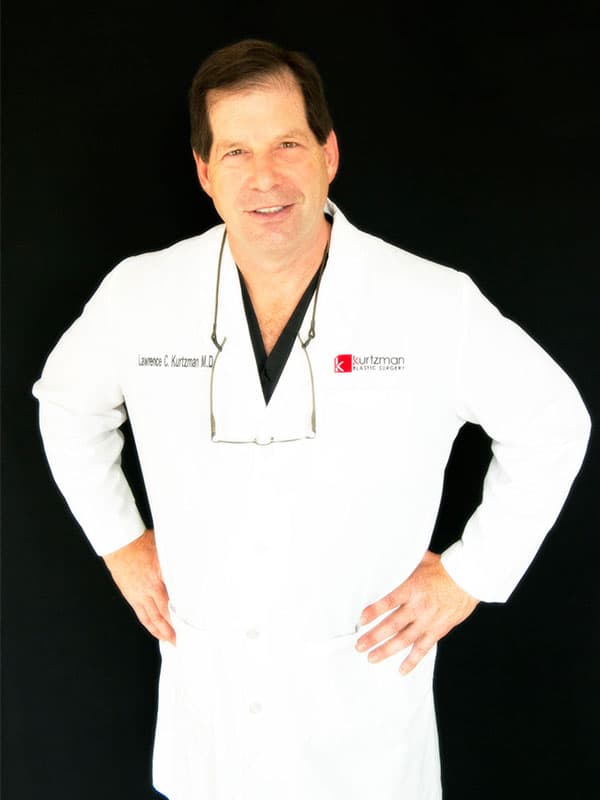
Lawrence C. Kurtzman, MD
MD
Board-Certified Plastic Surgeon
Why We Excel
- Medical-grade professional peels with concentrations not available at spas or over-the-counter
- Physician oversight ensures appropriate peel selection and safe application for your skin type
- 35+ years of plastic surgery experience treating diverse skin types and concerns
- Custom peel formulations adjusted to address your specific concerns and skin characteristics
What Our Patients Say
Real experiences from Kurtzman Plastic Surgery patients
Ready to Learn More About Chemical Peels?
Schedule a private consultation to discuss your goals and explore your options with our expert team.