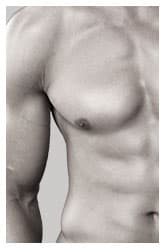
Gynecomastia Treatment
Gynecomastia surgery reduces excess breast tissue in men, creating a flatter, more masculine chest contour and restoring confidence.
At a Glance
Procedure Time
1-2 hours
Recovery Time
1-2 weeks
Board-Certified
ABPS Surgeon
Starting Cost
$5,000+
What is Gynecomastia?
Gynecomastia is the medical term for abnormal enlargement of male breast tissue, creating a feminine-appearing chest that can cause significant embarrassment and psychological distress. The condition is surprisingly common, affecting an estimated 40-60% of men to some degree, and can occur at any age from puberty through older adulthood. Gynecomastia can be caused by hormonal imbalances (particularly during puberty or older age), certain medications (including some blood pressure drugs, antidepressants, and prostate medications), anabolic steroids, marijuana use, underlying health conditions, or often no identifiable cause (idiopathic). True gynecomastia involves excess glandular tissue, while "pseudogynecomastia" involves only excess fat, many patients have both. Regardless of the cause, men with gynecomastia often avoid situations requiring them to remove their shirt (swimming, beach, gym) and may wear compression garments or multiple shirts to disguise their chest. Gynecomastia surgery (also called male breast reduction) removes the excess tissue through a combination of liposuction and direct excision, creating a flatter, more masculine chest contour. Dr. Kurtzman approaches this sensitive condition with understanding and discretion, recognizing that many men have struggled with this issue for years before seeking treatment. Results are typically permanent and can be life-changing for men who have long felt self-conscious about their chest.
Technique Options
Dr. Kurtzman offers multiple facelift techniques tailored to your unique needs and goals:
Liposuction Only
For cases where excess fat is the primary issue with minimal glandular tissue. Uses small incisions for liposuction access, removing fatty tissue to sculpt a more masculine chest contour.
Best for: Men with pseudogynecomastia (fat-only enlargement) or very mild true gynecomastia with minimal glandular tissue.
Excision Only
Direct surgical removal of glandular tissue through a small incision at the areola border. Used when firm glandular tissue is the primary concern with minimal excess fat.
Best for: Men with primarily glandular gynecomastia, often seen in younger patients or those caused by hormones/medications.
Combined Liposuction & Excision
The most common approach, combining liposuction to remove fat with direct excision of glandular tissue. Addresses both components for full chest contouring.
Best for: Most gynecomastia patients who have both fatty and glandular tissue contributing to their chest enlargement.
Gynecomastia with Skin Excision
For severe cases (Grade III-IV) with significant skin excess in addition to tissue. May require incisions around the areola or additional incisions to remove redundant skin.
Best for: Men with severe, long-standing gynecomastia or those who have lost significant weight, leaving excess, inelastic skin.
Ideal Candidates
Gynecomastia surgery can provide excellent results for men who meet certain criteria. During consultation, we evaluate your chest, discuss the cause of your gynecomastia, and develop a personalized treatment plan:
- Have excess breast tissue, fat, or both that creates a feminine chest contour and causes embarrassment
- Have tried diet and exercise without improvement, true glandular tissue cannot be reduced through lifestyle changes
- Are at or near their ideal body weight, as significant weight loss after surgery can affect results
- Have good skin elasticity, men with severely stretched skin may require skin removal in addition to tissue removal
- Are non-smokers or willing to quit at least 4 weeks before and after surgery for optimal healing
- Have stable hormone levels, we may recommend evaluation if there's concern about an underlying hormonal cause
- Are not currently using anabolic steroids or marijuana, which can contribute to gynecomastia
- Have realistic expectations about results and understand that minor asymmetry may exist naturally
The Procedure
Gynecomastia surgery is planned based on whether your condition is primarily fat, glandular tissue, or a combination. The approach is adjusted to achieve the flattest, most natural-appearing masculine chest:
1. Classification & Planning
Your gynecomastia is classified by grade (I-IV) based on severity and the ratio of fat to glandular tissue. This determines whether liposuction alone, excision alone, or combination treatment will achieve the best result.
2. Anesthesia
Most gynecomastia surgeries are performed under general anesthesia, though some milder cases can be treated under local anesthesia with sedation. Either way, you'll be comfortable throughout the procedure.
3. Liposuction Component
Using small incisions in inconspicuous locations (often at the edge of the areola or in the armpit), liposuction removes excess fatty tissue. Power-assisted or ultrasound-assisted liposuction may be used to efficiently remove fat while preserving surrounding tissue.
4. Glandular Excision
If firm glandular tissue is present (which cannot be suctioned), direct excision is performed through a small incision at the lower edge of the areola. The gland is carefully removed while preserving a small amount of tissue to prevent a crater deformity.
5. Contouring & Symmetry
The chest is carefully sculpted to create a natural masculine contour. Both sides are compared frequently to confirm symmetry. The goal is a flat chest that appears natural, not over-operated.
6. Closure & Compression
Incisions are closed with dissolvable sutures. A compression garment is applied immediately to reduce swelling, promote skin retraction, and maintain the new chest contour during healing.
Recovery & Results
Recovery from gynecomastia surgery is relatively straightforward. Days 1-3: Expect bruising, swelling, and mild to moderate discomfort controlled with oral pain medication. The compression garment should be worn 24/7 except when showering. Most patients describe tightness and soreness rather than significant pain. Days 4-7: Swelling begins to decrease. Most patients feel comfortable returning to work, though the compression garment continues under clothing. Week 2-3: Continue wearing the compression garment. Light activity is fine; avoid anything that strains the chest muscles. Weeks 3-6: Gradually return to exercise, starting with lower body and cardio. Wait 4-6 weeks before chest exercises. Continue compression garment for 4-6 weeks total. Numbness or altered sensation around the nipple is common and usually resolves over weeks to months.
Initial results are visible immediately, though swelling obscures the final outcome for several weeks. Most swelling resolves by 2-3 months, with final results at 6 months as residual swelling completely resolves and tissues settle. Results are permanent, the removed glandular tissue cannot regrow. However, weight gain can cause fat to return to the area, and certain medications or steroids could potentially cause regrowth of any remaining tissue. For most patients, gynecomastia surgery provides a lifetime of improved confidence.
Real Patient Results
See the transformative results our patients have achieved
Sensitive Content
This gallery contains medical before and after images
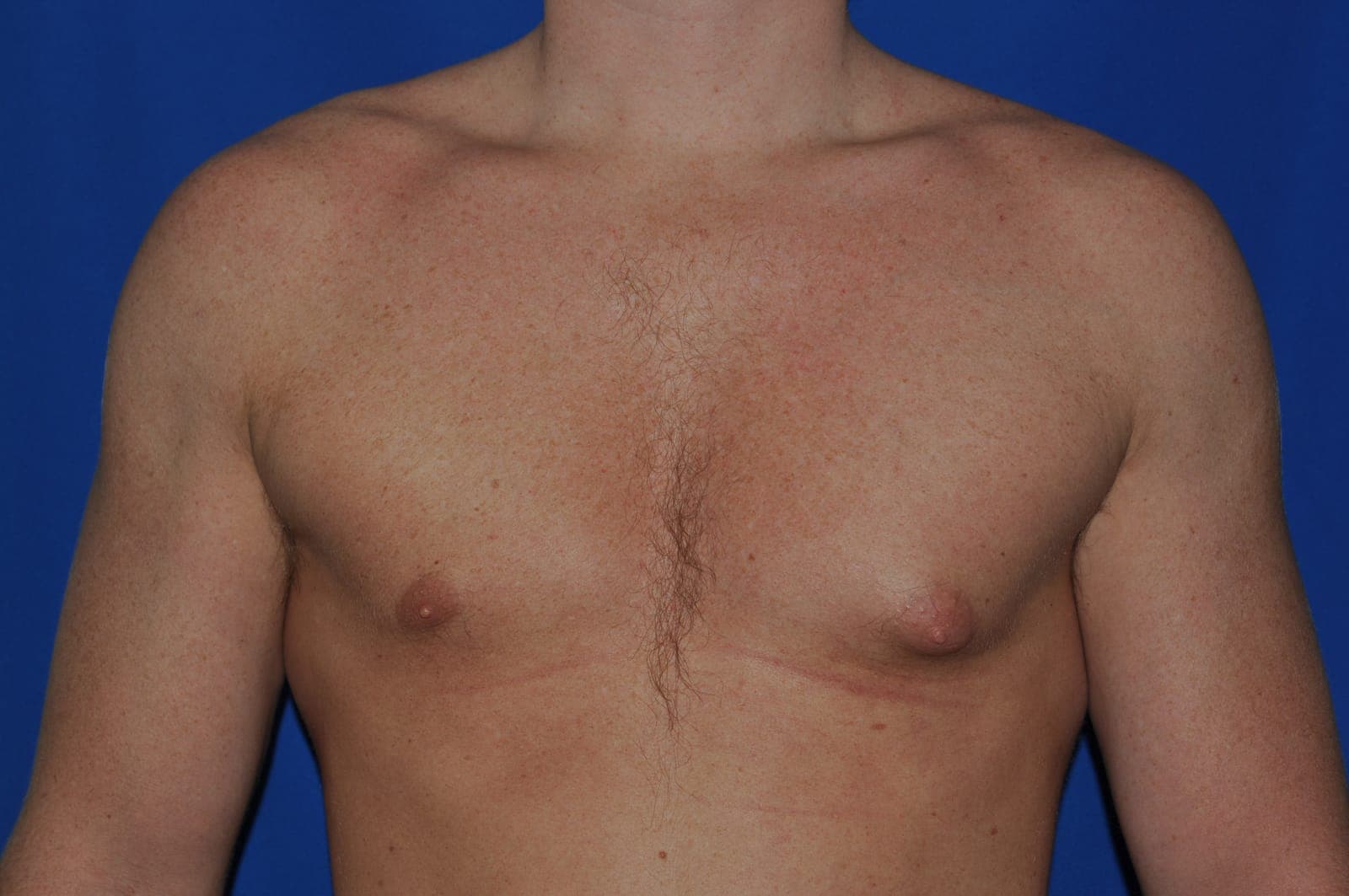
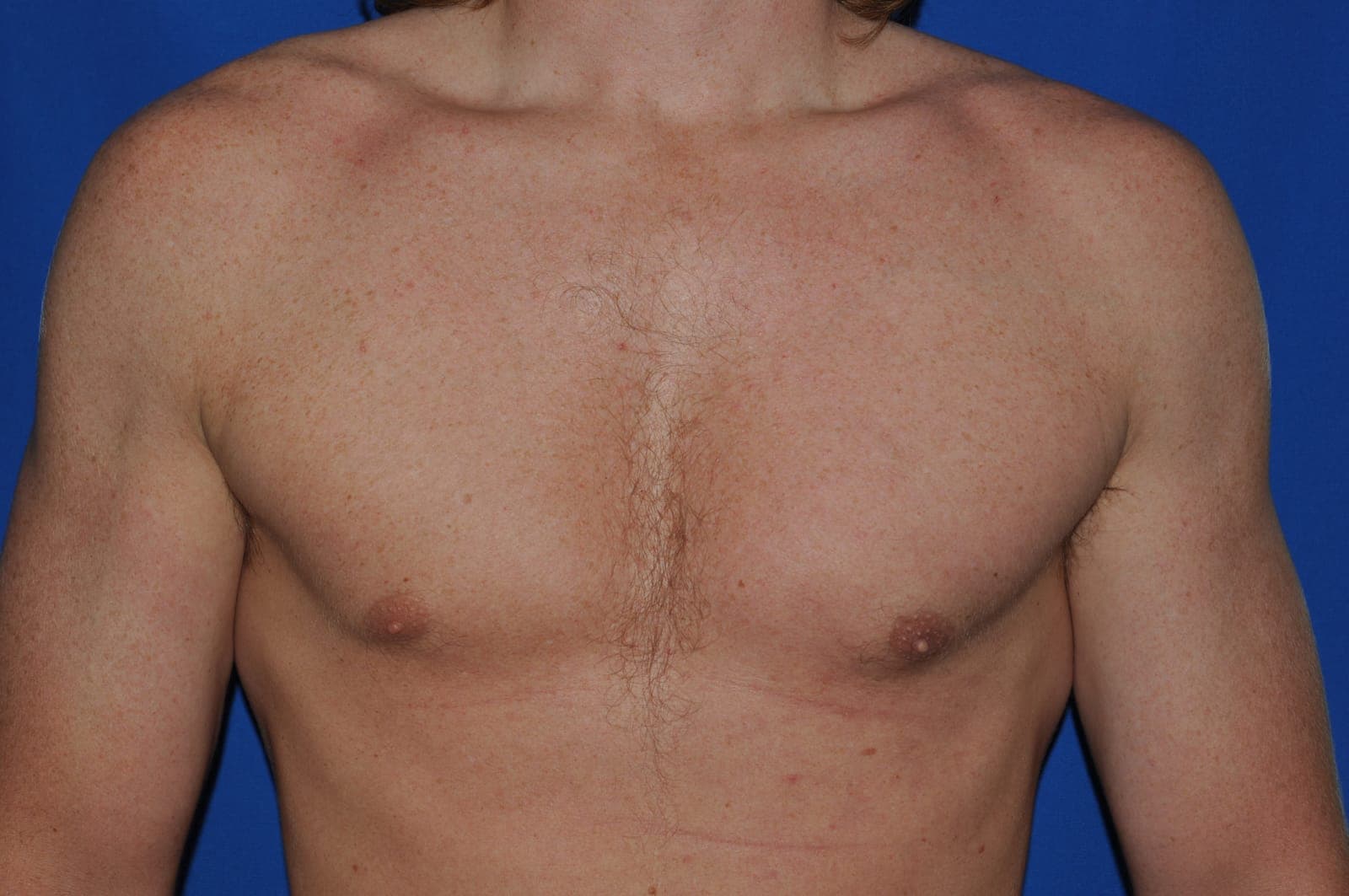
Gynecomastia
2 views available
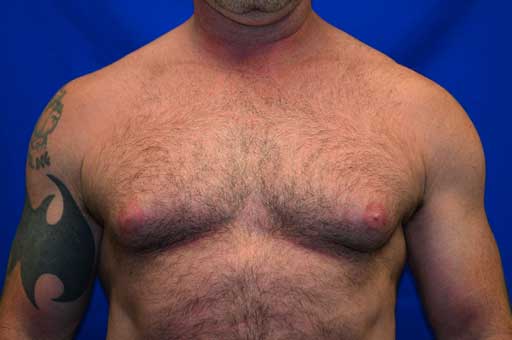
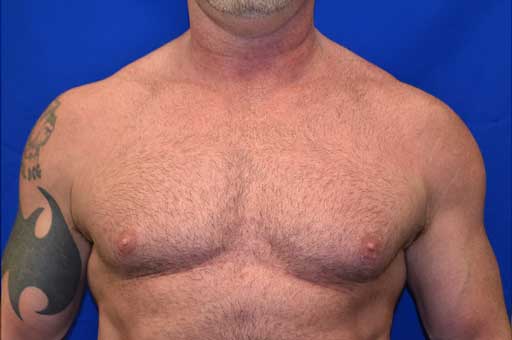
Gynecomastia
3 views available
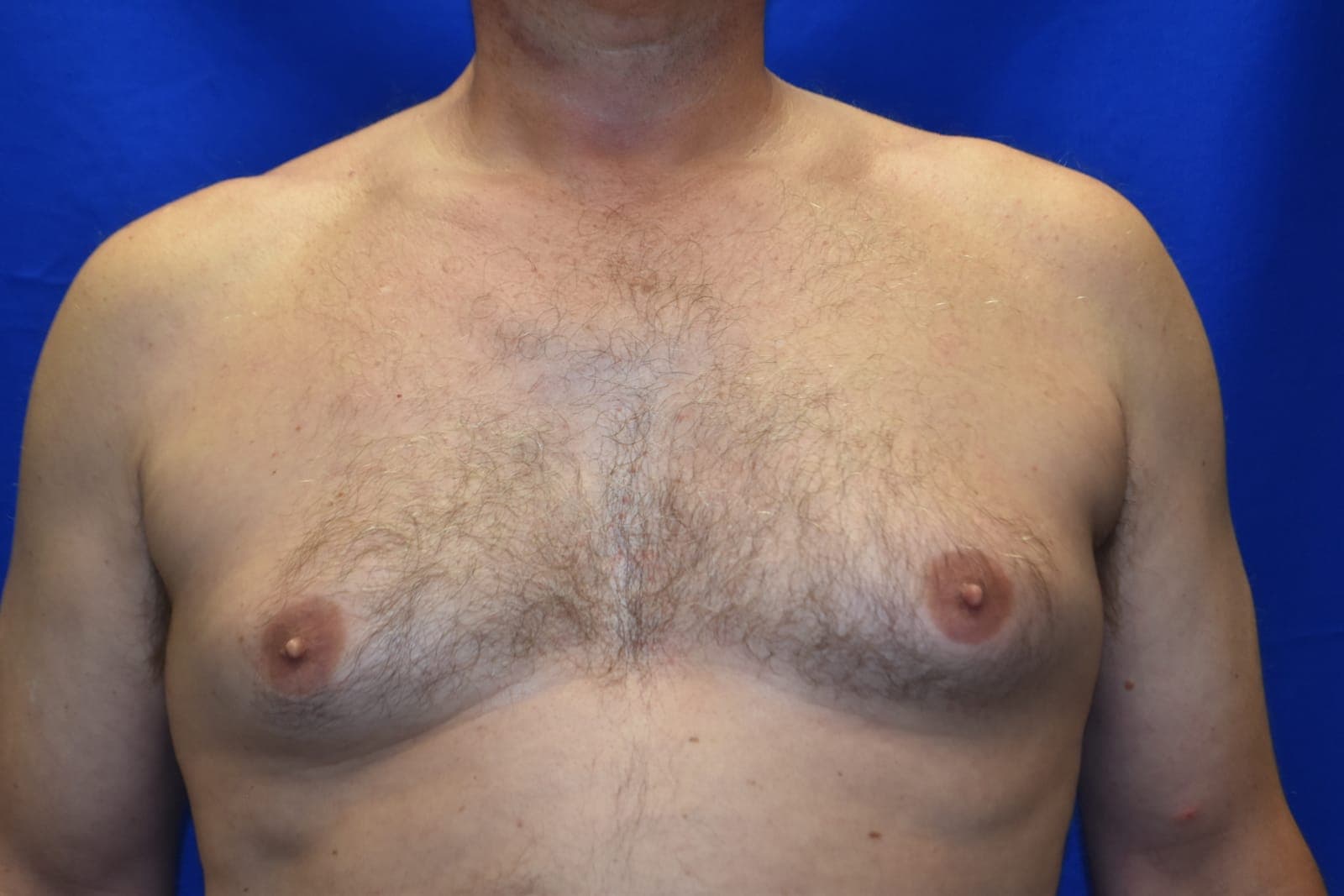
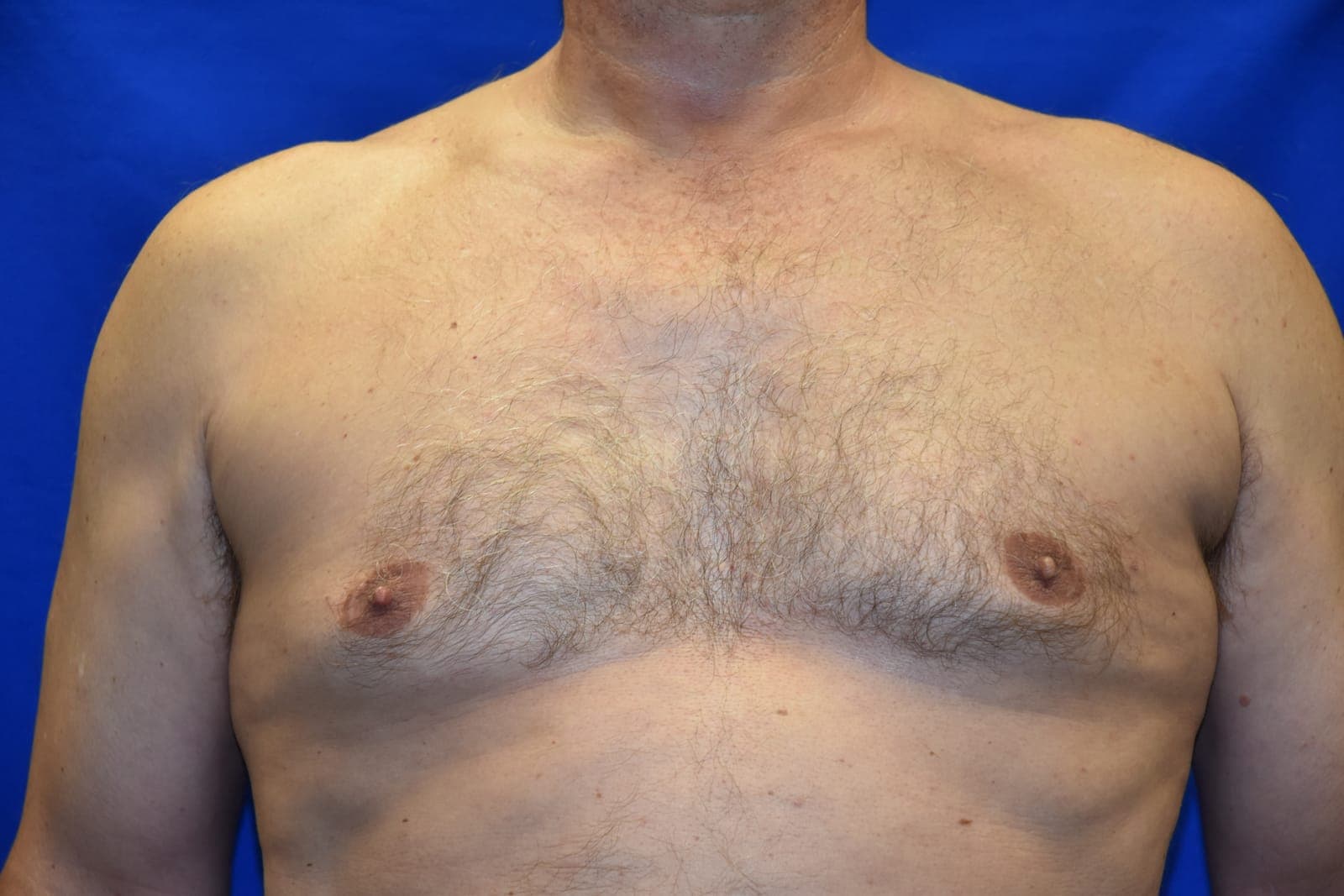
Gynecomastia
3 views available
Frequently Asked Questions
Will gynecomastia return after surgery?
In the vast majority of cases, results are permanent because the glandular tissue is surgically removed and cannot regenerate. However, significant weight gain can cause fat accumulation in the chest, and continued use of anabolic steroids or certain medications could potentially stimulate any remaining tissue. Maintaining stable weight and avoiding causative factors ensures lasting results.
Will there be visible scars?
Incisions are strategically placed to be as inconspicuous as possible, typically at the lower edge of the areola where the color change helps disguise the scar, or in the armpit for liposuction access. These scars typically fade to thin, pale lines that are very difficult to notice, even with the shirt off.
Is gynecomastia surgery covered by insurance?
Some insurance plans cover gynecomastia surgery if the condition is causing physical symptoms (such as pain or tenderness) or if there is documented medical necessity. Coverage varies significantly. Our office can help you determine your coverage and navigate the authorization process.
What is the difference between gynecomastia and pseudogynecomastia?
True gynecomastia involves excess glandular breast tissue, firm tissue that feels like a disc under the nipple. Pseudogynecomastia is enlargement due to fat only, without significant glandular tissue. Many men have both. The distinction matters because liposuction alone can treat fat, but glandular tissue requires direct excision.
How do I know if I have gynecomastia versus just being overweight?
If you feel firm, rubbery tissue directly beneath the nipple that is distinct from the surrounding softer fat, you likely have true gynecomastia. However, many men have a combination. During consultation, we examine your chest to determine the tissue composition and recommend the appropriate treatment approach.
Will my nipples look normal after surgery?
Yes, we take great care to preserve the nipple-areola complex and make sure it looks natural. Some patients with severe gynecomastia may have stretched areolas that can be reduced. Temporary numbness is common but sensation typically returns. The nipples will be appropriately positioned on the newly contoured chest.
Your Expert for Gynecomastia Treatment

Lawrence C. Kurtzman, MD
MD
Board-Certified Plastic Surgeon
Why We Excel
- Deep understanding of male chest anatomy and the aesthetic goals specific to masculine chest contouring
- Expertise in combined liposuction and excision techniques for full treatment of both fat and glandular tissue
- Strategic incision placement for minimal, well-hidden scarring that is virtually invisible
- Compassionate, understanding approach to this sensitive concern that many men have struggled with for years
What Our Patients Say
Real experiences from Kurtzman Plastic Surgery patients
Ready to Learn More About Gynecomastia Treatment?
Schedule a private consultation to discuss your goals and explore your options with our expert team.