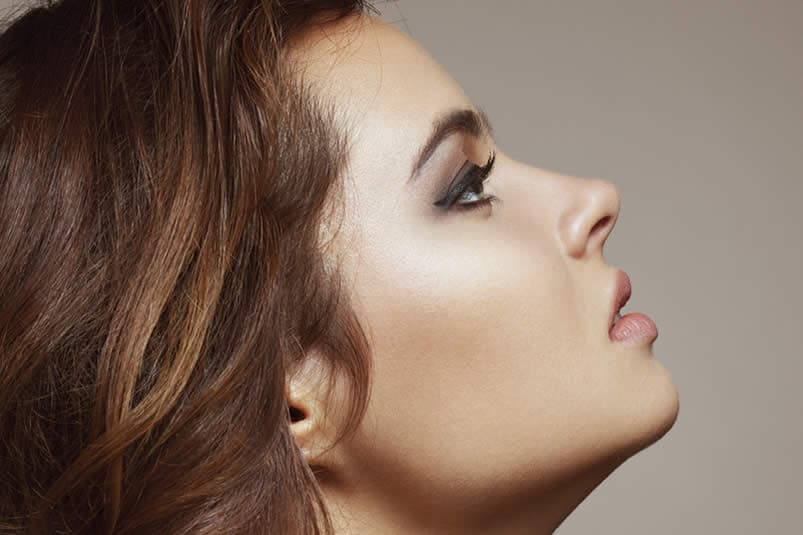
Rhinoplasty
Rhinoplasty, or nose surgery, can dramatically improve facial harmony by reshaping the nose to better complement your other features while maintaining natural proportions.
At a Glance
Procedure Time
2-3 hours
Recovery Time
1-2 weeks
Board-Certified
ABPS Surgeon
Starting Cost
$8,000+
What is Rhinoplasty?
Rhinoplasty is one of the most complex and artistically demanding procedures in plastic surgery, requiring a surgeon who understands both the structural anatomy and aesthetic proportions of the face. The nose sits at the center of the face, and even subtle changes can dramatically impact overall facial harmony. Dr. Kurtzman approaches each rhinoplasty as a unique artistic challenge, carefully analyzing how your nose relates to your other facial features, your eyes, cheekbones, lips, and chin, to create results that look naturally beautiful rather than surgically altered. With over 35 years of experience, Dr. Kurtzman has refined techniques that address both cosmetic concerns (such as bumps, asymmetry, or a bulbous tip) and functional issues (like a deviated septum or nasal valve collapse that impairs breathing). His conservative approach prioritizes maintaining nasal function while achieving aesthetic goals, so that you can both look and breathe better after surgery. Results are long-lasting, making rhinoplasty a worthwhile investment for patients who have long felt self-conscious about their nose.
Technique Options
Dr. Kurtzman offers multiple facelift techniques tailored to your unique needs and goals:
Open Rhinoplasty
A small incision across the columella provides maximum visibility and precision. The nasal skin is lifted to expose the entire bone and cartilage framework, allowing for complex reshaping and careful refinement.
Best for: Major reshaping, significant tip work, revision cases, or patients requiring structural grafts
Closed Rhinoplasty
All incisions are hidden inside the nostrils, leaving absolutely no visible external scars. The surgeon works through internal access points to reshape bone and cartilage.
Best for: Minor refinements, small hump reduction, subtle tip adjustments, or patients prioritizing invisible scarring
Revision Rhinoplasty
A specialized procedure for patients unhappy with previous rhinoplasty results. Often requires cartilage grafts from the ear or rib to rebuild nasal structure and correct aesthetic or functional problems.
Best for: Patients who have had previous nose surgery and desire improvement in appearance or function
Functional Rhinoplasty (Septoplasty)
Focuses on correcting structural issues that impair breathing, such as a deviated septum, enlarged turbinates, or collapsed nasal valves. Can be combined with cosmetic rhinoplasty.
Best for: Patients with breathing difficulties, chronic congestion, or snoring due to nasal obstruction
Ideal Candidates
Rhinoplasty can achieve notable improvements for the right candidates. During your consultation, Dr. Kurtzman will evaluate your nasal anatomy, skin thickness, and goals to determine if you're a good candidate:
- Are bothered by a nasal bump or hump on the bridge that disrupts your profile
- Have a drooping, bulbous, or asymmetrical nasal tip that you wish to refine
- Feel your nose is too large, too wide, or out of proportion with your other features
- Experience difficulty breathing due to a deviated septum, nasal valve collapse, or other structural issues
- Have fully developed nasal structure (typically age 16+ for females, 17+ for males)
- Non-smoker or willing to quit for at least 4 weeks before and after surgery
- In good overall health without conditions that increase surgical risk
- Have realistic expectations, understanding that rhinoplasty enhances your natural features rather than creating a 'perfect' nose
The Procedure
Dr. Kurtzman tailors each rhinoplasty to your unique anatomy and goals. The procedure is performed under general anesthesia in an accredited surgical facility, with careful attention to both aesthetic refinement and preservation of nasal function:
1. Anesthesia & Preparation
Anesthesia is administered for your comfort.The inside of your nose is treated with decongestant to minimize bleeding, and Dr. Kurtzman reviews the surgical plan he discussed with you during consultation.
2. Strategic Incision Placement
Depending on the complexity of your case, Dr. Kurtzman uses either an open approach (with a small incision across the columella between the nostrils) or closed approach (incisions hidden entirely inside the nose). Open rhinoplasty provides maximum visibility for complex reshaping; closed rhinoplasty offers no external scarring for simpler refinements.
3. Structural Framework Access
The skin is gently lifted off the underlying bone and cartilage framework, exposing the nasal structure. This allows Dr. Kurtzman to see exactly what needs to be modified and make precise adjustments to the nasal architecture.
4. Reshaping Bone & Cartilage
The nasal bones and cartilage are carefully sculpted using specialized instruments. A dorsal hump may be shaved down, the tip refined through cartilage suturing or grafting, and the overall width adjusted. If breathing is a concern, the septum is straightened and nasal valves may be supported with cartilage grafts.
5. Skin Redraping & Refinement
Once the framework is reshaped, the nasal skin is redraped over the new structure. The skin's thickness and elasticity affect the final result, thinner skin shows refinements more precisely, while thicker skin may require additional time to see final contours.
6. Closure & Splinting
Internal dissolvable sutures and external sutures (if open approach) close the incisions. An external splint is applied to support and protect the nose during initial healing. Internal splints or packing may be used if septal work was performed.
Recovery & Results
Your recovery begins in our recovery suite where you'll rest until anesthesia wears off. Most patients go home the same day with a companion. The first 72 hours involve the most swelling and bruising, particularly around the eyes, cold compresses and head elevation help minimize this. By day 7, the external splint is removed, and most bruising has faded to the point where concealer can easily cover any remaining discoloration. Week 2 marks a significant milestone: most patients feel comfortable returning to work and social activities, though the nose may still look slightly swollen. By 3-6 months, the majority of swelling has resolved and your new nasal contour becomes increasingly refined. However, subtle swelling in the nasal tip (the last area to heal) can persist for up to one year before final results are fully visible.
Rhinoplasty results are long-lasting. Once the bone and cartilage are reshaped, they maintain their new form for many years, though the nose continues to change subtly with the natural aging process. Most patients are delighted to see a more harmonious, balanced profile that looks completely natural. Many report that friends and colleagues notice they 'look great' without being able to pinpoint what changed. The key is patience during healing; the final result is worth the wait.
Real Patient Results
See the transformative results our patients have achieved
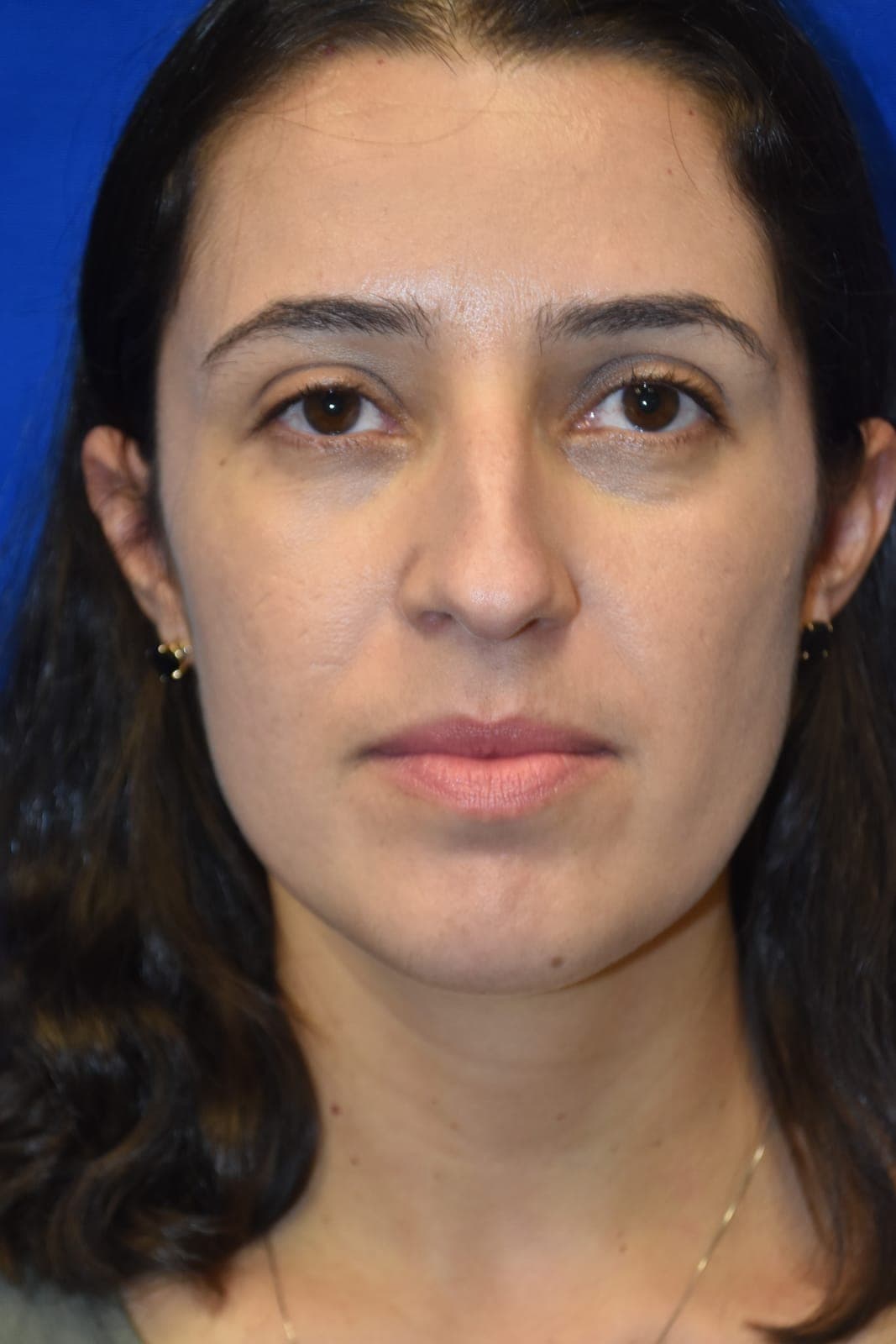
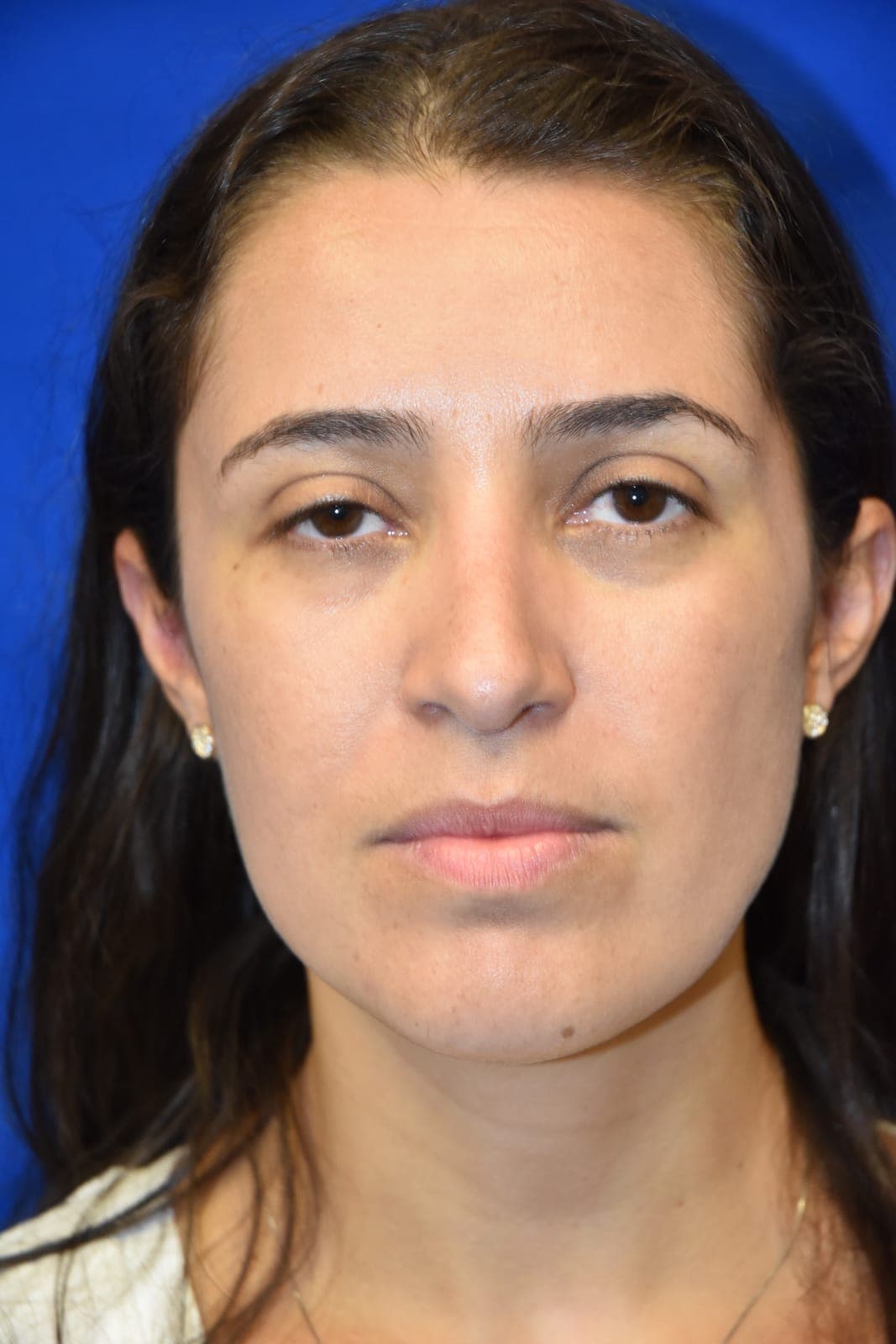
Rhinoplasty
2 views available
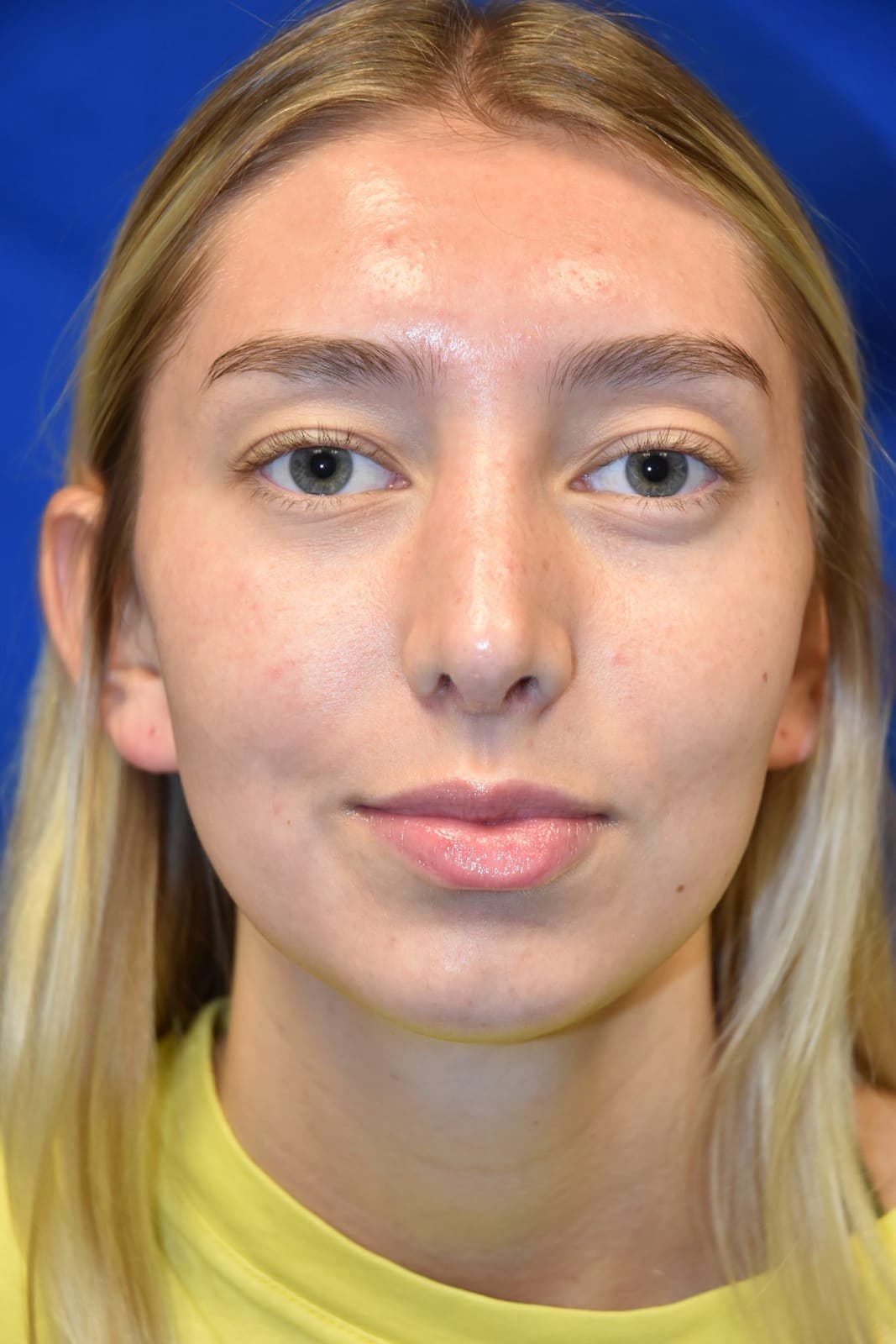
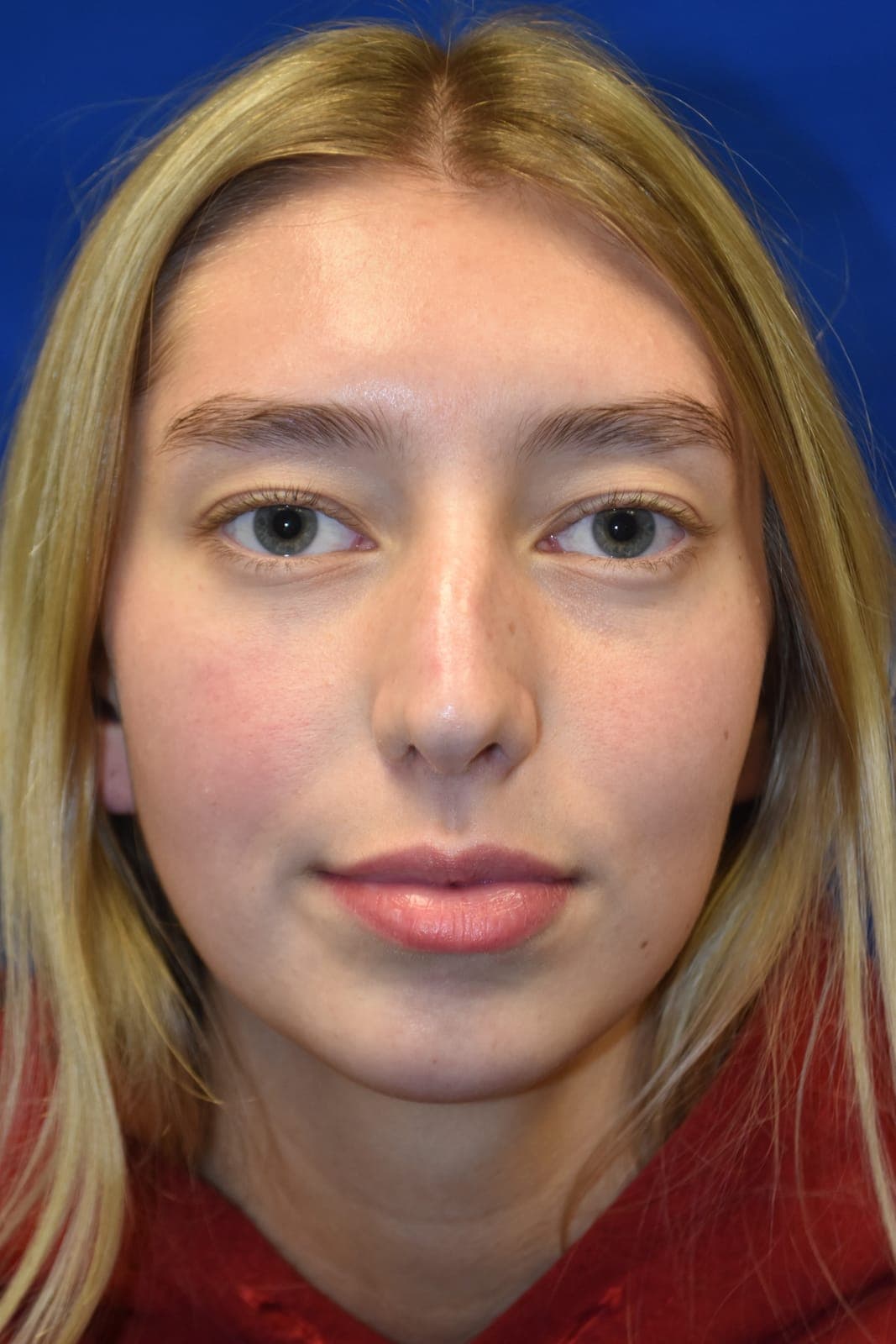
Rhinoplasty
2 views available
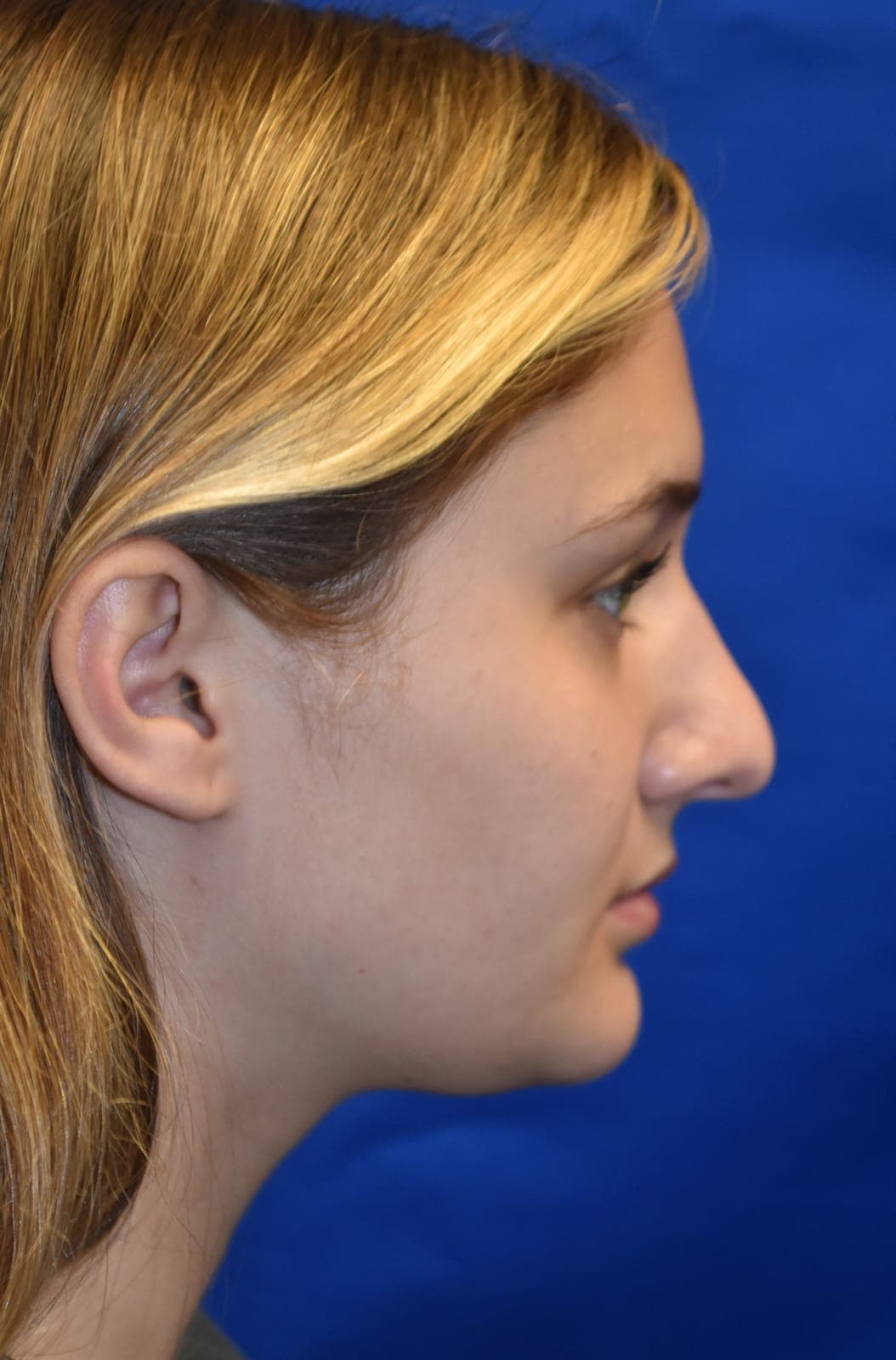
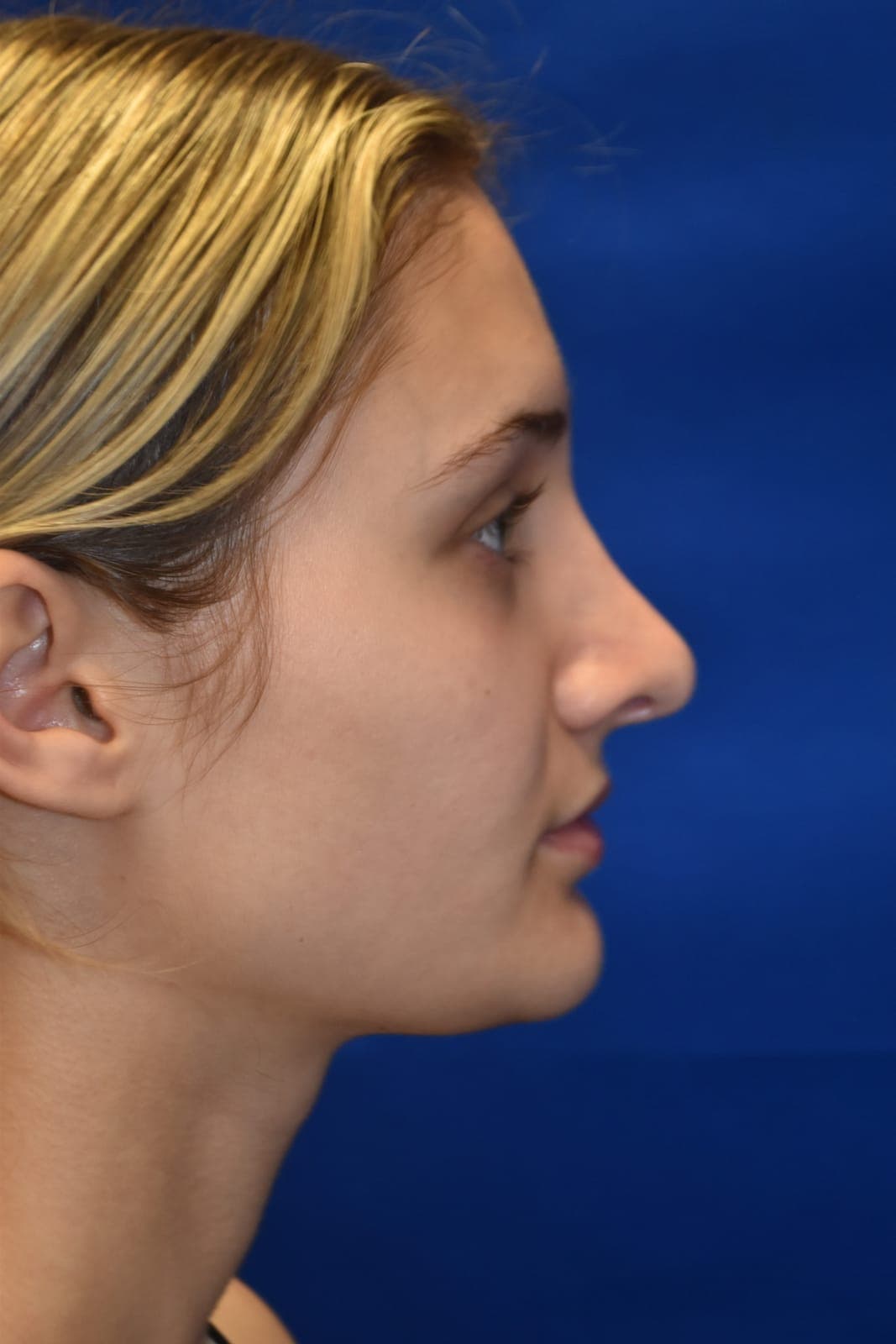
Rhinoplasty
Frequently Asked Questions
Will rhinoplasty leave visible scars?
With closed rhinoplasty, all incisions are hidden inside the nose, no external scars at all. With open rhinoplasty, a small incision is made across the columella (the tissue between your nostrils). This scar typically heals to be virtually invisible within a few months, fading to a thin line that most people never notice.
Can rhinoplasty fix breathing problems?
Yes, functional rhinoplasty is specifically designed to correct structural issues that impair breathing. A deviated septum can be straightened (septoplasty), enlarged turbinates reduced, and collapsed nasal valves reinforced with cartilage grafts. Many patients combine cosmetic and functional rhinoplasty in one procedure, allowing them to breathe better and look better simultaneously.
How long until I see my final results?
You'll see a noticeable improvement as soon as the splint comes off at one week, but this isn't your final result. Swelling gradually resolves over 6-12 months, with the nasal tip being the last area to fully refine. We recommend patience, your final, polished result emerges over time and is worth the wait.
What's the difference between open and closed rhinoplasty?
Open rhinoplasty involves a small external incision that allows Dr. Kurtzman full visualization of the nasal structures, ideal for complex cases, significant reshaping, or revision surgery. Closed rhinoplasty uses incisions hidden entirely inside the nose, resulting in no visible scars and often faster recovery, best for minor refinements. Dr. Kurtzman recommends the approach that will achieve your specific goals most effectively.
Can rhinoplasty be combined with other procedures?
Yes. Rhinoplasty is often combined with chin augmentation to optimize facial balance, or with facelift or eyelid surgery for full facial rejuvenation. Some patients combine it with septoplasty for breathing improvement. Dr. Kurtzman will discuss which combinations might benefit you during your consultation.
What if I've had rhinoplasty before and I'm not happy with the results?
Revision rhinoplasty is one of the most challenging procedures in plastic surgery, requiring specialized expertise. Dr. Kurtzman has extensive experience correcting unsatisfactory results from previous surgeries. Revision cases often require cartilage grafts (from the septum, ear, or rib) to rebuild nasal structure. A thorough evaluation determines what can realistically be achieved.
Your Expert for Rhinoplasty
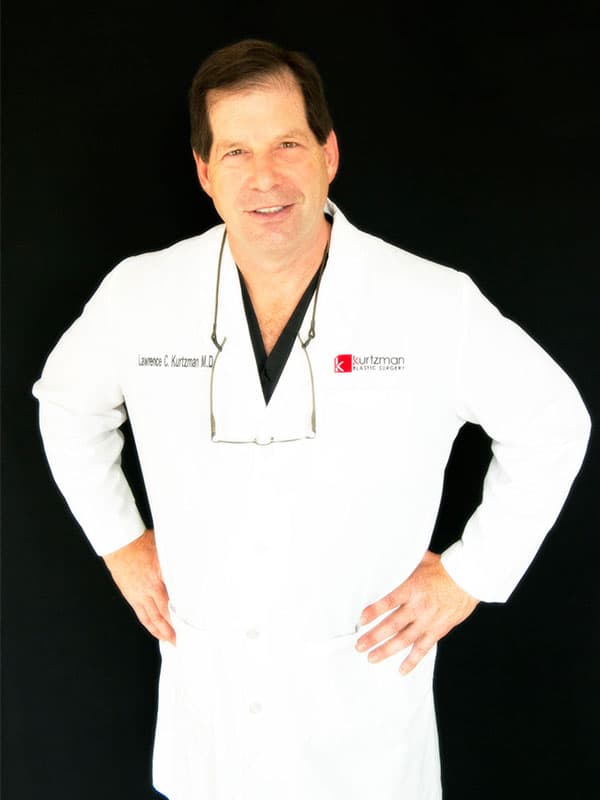
Lawrence C. Kurtzman, MD
MD
Board-Certified Plastic Surgeon
Why We Excel
- Over 35 years of rhinoplasty experience with both cosmetic and functional cases
- Mastery of open and closed techniques, choosing the optimal approach for each patient
- Artistic eye for facial proportions, creating results that harmonize with your unique features
- Experience with revision rhinoplasty, correcting unsatisfactory results from prior surgery
What Our Patients Say
Real experiences from Kurtzman Plastic Surgery patients
Ready to Discover Your Best Profile?
Schedule a private consultation to discuss your goals and explore your options with our expert team.