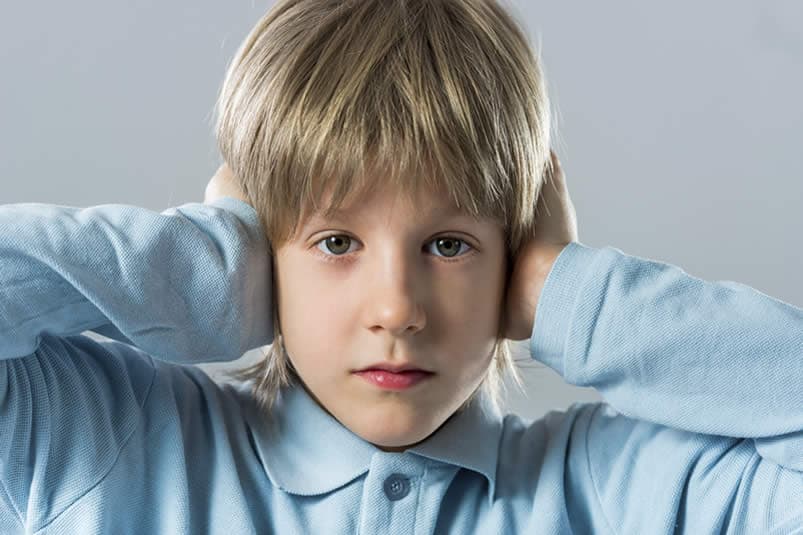
Otoplasty
Otoplasty, or ear surgery, reshapes protruding or misshapen ears to create better facial balance and boost confidence, benefiting both children and adults.
At a Glance
Procedure Time
1-2 hours
Recovery Time
1 week
Board-Certified
ABPS Surgeon
Starting Cost
$4,000+
What is Otoplasty?
Otoplasty, commonly known as ear surgery or ear pinning, is a surgical procedure that reshapes the ears to improve their appearance, position, or proportion relative to the face. Prominent or protruding ears, where the ears stick out more than about 2 centimeters from the side of the head, are typically caused by an underdeveloped antihelical fold (the curved ridge inside the ear) or an oversized concha (the bowl-shaped part of the outer ear). These are inherited anatomical variations that can cause significant self-consciousness, particularly in children who may face teasing. Otoplasty corrects these issues by reshaping the cartilage through carefully concealed incisions behind the ear. The procedure can also address other ear concerns including overly large ears (macrotia), asymmetrical ears, "lop ear" (where the tip folds down), "cupped ear" (a very small ear), or "shell ear" (missing the outer curve). Dr. Kurtzman has extensive experience performing otoplasty on both children and adults, understanding that ear appearance significantly impacts self-confidence. The procedure is one of the few cosmetic surgeries routinely performed on children, as the ears reach approximately 90% of adult size by age 5-6. Results are permanent, and the psychological benefits, especially for children, can be profound.
Technique Options
Dr. Kurtzman offers multiple facelift techniques tailored to your unique needs and goals:
Suture Otoplasty (Mustardé Technique)
Permanent sutures are placed through the ear cartilage to create or enhance the antihelical fold, drawing the ear closer to the head. This technique preserves cartilage while reshaping it into a more favorable position.
Best for: Patients whose primary concern is protruding ears due to an underdeveloped antihelical fold, the most common cause of prominent ears.
Cartilage Scoring/Excision
Small amounts of cartilage are scored (weakened) or excised (removed) to allow the ear to bend into a new shape. Often combined with suture techniques for full correction.
Best for: Patients with very stiff, thick cartilage that doesn't respond well to suturing alone, or those requiring significant reshaping.
Conchal Bowl Reduction
A portion of the enlarged conchal cartilage (the bowl-shaped part of the ear) is removed, allowing the ear to sit closer to the head. Often combined with antihelical fold creation.
Best for: Patients whose ears protrude primarily due to an oversized conchal bowl rather than a missing antihelical fold.
Combined Technique
A full approach using multiple methods, suturing, scoring, and/or excision, to address all aspects of ear shape and position. This individual approach addresses both the antihelical fold and conchal issues.
Best for: Patients with multiple anatomical factors contributing to prominent ears, requiring personalized correction.
Ideal Candidates
Otoplasty can benefit children, teenagers, and adults who have concerns about the appearance of their ears. During consultation, we evaluate ear anatomy, discuss goals, and determine the optimal approach:
- Children age 5 or older whose ears are nearly fully developed (approximately 90% of adult size) and who express concern about their ear appearance
- Adults of any age with protruding, oversized, or misshapen ears who have always been self-conscious about their appearance
- Individuals with significant ear asymmetry where one ear protrudes more than the other or differs in shape
- Those who avoid certain hairstyles or constantly try to hide their ears due to self-consciousness
- Patients with "lop ear," "cupped ear," "shell ear," or other congenital ear shape variations
- Anyone who has experienced injury or trauma that altered their ear shape and desires reconstruction
- Patients in good overall health without untreated ear infections or conditions that impair healing
- Children who are emotionally ready and express their own desire for the procedure (rather than being pressured by parents)
The Procedure
Otoplasty is adapted to address your specific ear anatomy and concerns. The surgery is performed through incisions hidden behind the ear, leaving virtually no visible scarring:
1. Anesthesia
For adults and older teenagers, local anesthesia with sedation is typically used. Young children usually require general anesthesia so that they remain comfortable and still throughout the procedure. Safety is our priority, especially with pediatric patients.
2. Incision Placement
An incision is made in the natural crease behind the ear, providing excellent access to the cartilage while keeping any scar completely hidden. Even with short hairstyles, this scar is virtually invisible once healed.
3. Cartilage Assessment
The ear cartilage is carefully exposed and analyzed. The surgeon determines whether the prominence is due to an underdeveloped antihelical fold, an oversized conchal bowl, or a combination of factors, each requiring specific correction techniques.
4. Cartilage Reshaping
Depending on the specific concern, cartilage may be scored (weakened to allow bending), sutured into a new position (suture technique), partially removed (excision), or a combination of methods. For creating an antihelical fold, permanent sutures reshape the cartilage into the desired configuration.
5. Conchal Reduction (if needed)
If the conchal bowl is oversized, a portion of cartilage may be removed to allow the ear to sit closer to the head. This is often combined with antihelical fold creation for optimal results.
6. Final Positioning & Closure
The ear is carefully positioned to achieve symmetry with the opposite ear and an aesthetically pleasing angle relative to the head. Internal permanent sutures maintain the new shape, and the incision is closed. A protective head dressing is applied.
Recovery & Results
Recovery from otoplasty is relatively straightforward. Immediately after surgery: A protective head dressing is worn for the first few days to protect the ears and maintain their new position. Days 3-7: The bulky dressing is replaced with a lighter headband or sports-type headband that should be worn continuously. Week 2: Most patients can return to school or work, though the headband should still be worn at night. Weeks 3-6: Continue wearing the headband at night to protect the ears during sleep when unconscious movements could stress the repair. Children should avoid contact sports for 6 weeks. Discomfort is typically mild and well-controlled with over-the-counter pain medication. Swelling and bruising resolve within 1-2 weeks. The ears may feel stiff or numb initially, but normal sensation returns over several weeks.
Results are permanent once healing is complete at approximately 6 weeks. The ears maintain their new position indefinitely, as the cartilage has been permanently reshaped. The improvement in appearance and self-confidence is typically dramatic, particularly for children who have been teased about their ears. Most patients wish they had done it sooner.
Real Patient Results
See the transformative results our patients have achieved
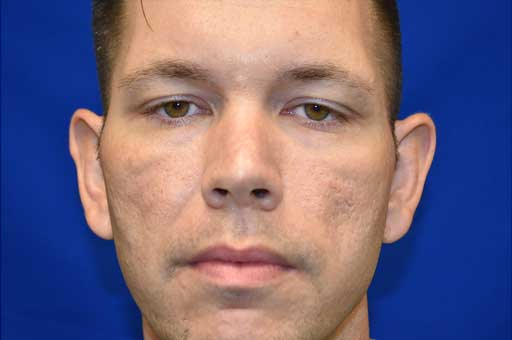
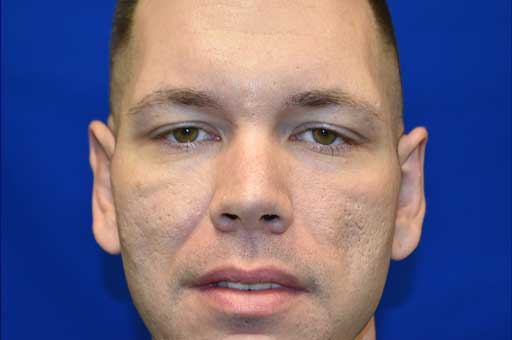
Otoplasty
3 views available
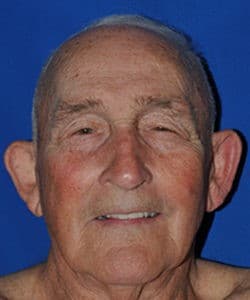
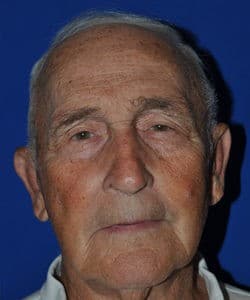
Otoplasty
2 views available
Frequently Asked Questions
What is the best age for otoplasty?
Children can have otoplasty as early as age 5-6, when the ears have reached about 90% of their adult size and the cartilage is mature enough for surgical reshaping. Early correction can prevent years of teasing and self-consciousness. However, otoplasty is equally effective in adults of any age.
Will the scars be visible?
No. The incisions are placed in the natural crease behind the ear, where they are completely hidden. Even patients with very short hair or who wear their hair up will not have visible scars. Once healed, the incision line is virtually undetectable.
Is otoplasty painful?
Most patients are surprised by how little discomfort they experience. Post-operative pain is typically mild and well-controlled with over-the-counter medication. Children often describe only a slight pressure or tightness around the ears rather than actual pain.
Will both ears look exactly the same afterward?
Perfect symmetry is the goal, but it's important to understand that even "normal" ears have slight asymmetries. We carefully measure and compare throughout the procedure to achieve the best possible symmetry, and most patients are very pleased with how well their ears match.
Can otoplasty fix ears that stick out at different amounts?
Yes. Asymmetrical ears, where one protrudes more than the other, are commonly treated with otoplasty. Each ear is addressed individually to achieve balanced, symmetrical results.
My child is being teased, will otoplasty help?
Yes. Research shows that otoplasty significantly improves self-esteem and quality of life in children who have been teased about prominent ears. The psychological benefits often exceed the physical improvement. We confirm children are emotionally ready and genuinely want the procedure for their own reasons.
Your Expert for Otoplasty
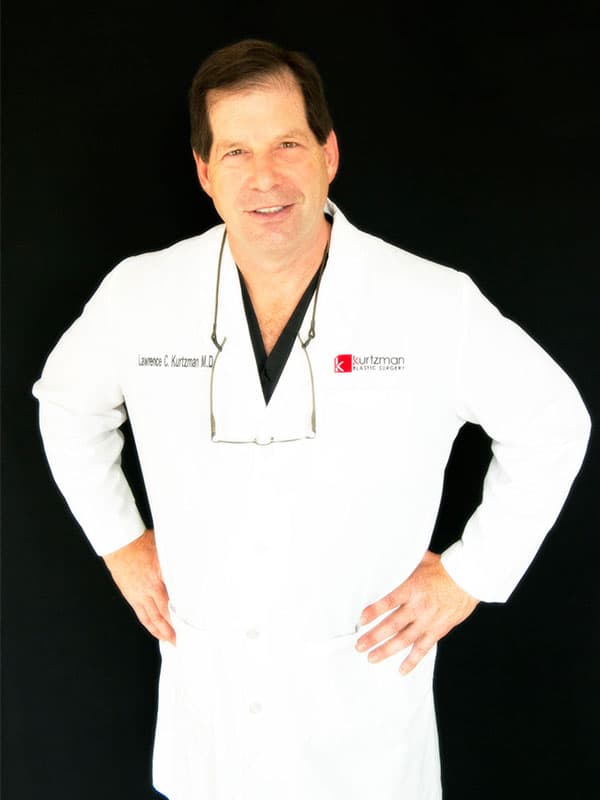
Lawrence C. Kurtzman, MD
MD
Board-Certified Plastic Surgeon
Why We Excel
- Extensive experience performing otoplasty on both pediatric patients and adults over 35+ years of practice
- Hidden incisions placed in the natural crease behind the ear result in virtually invisible scars
- Permanent internal sutures provide long-lasting results that maintain the ears' new position
- Compassionate, child-friendly approach that helps young patients feel comfortable and at ease
What Our Patients Say
Real experiences from Kurtzman Plastic Surgery patients
Ready to Learn More About Otoplasty?
Schedule a private consultation to discuss your goals and explore your options with our expert team.