
Breast Reduction
Breast reduction surgery removes excess breast tissue to achieve a more comfortable, proportionate breast size while relieving physical symptoms associated with overly large breasts.
At a Glance
Procedure Time
2-4 hours
Recovery Time
2-3 weeks
Board-Certified
ABPS Surgeon
Starting Cost
$8,000+
What is Breast Reduction?
Breast reduction (reduction mammaplasty) is a surgical procedure that removes excess breast fat, glandular tissue, and skin to achieve a breast size more proportionate to your body and relieve the physical and emotional burden of overly large breasts. Unlike cosmetic procedures done purely for appearance, breast reduction is often medically necessary, it can eliminate chronic back, neck, and shoulder pain; resolve skin rashes and infections beneath the breasts; make exercise and physical activity possible; and dramatically improve quality of life. Many women with macromastia (excessively large breasts) have suffered for years with bra straps cutting into their shoulders, difficulty finding clothes that fit, and limitations on daily activities. Breast reduction is consistently rated among the highest satisfaction procedures in plastic surgery because the relief is immediate and profound. The surgery also includes a lift component, so breasts are not only smaller but also higher and better shaped. Insurance frequently covers breast reduction when medical necessity is documented, and our team has extensive experience with the approval process.
Technique Options
Dr. Kurtzman offers multiple facelift techniques tailored to your unique needs and goals:
Inferior Pedicle (Anchor) Technique
The most commonly used technique with excellent reliability. Nipple-areola remains attached to a pedicle of tissue from below, preserving blood supply and sensation. Allows for large reductions with predictable results.
Best for: Most patients, especially those needing moderate to large reductions
Vertical (Lollipop) Technique
Removes tissue through a shorter incision pattern (around areola and vertically down only). Results in less scarring but suitable only for smaller reductions.
Best for: Patients with moderate breast size who need smaller reductions
Superior Pedicle Technique
Nipple-areola remains attached to a pedicle from above. Can be useful for specific breast shapes and provides good upper pole fullness.
Best for: Selected patients with specific anatomical considerations
Free Nipple Graft
For very large reductions where blood supply to nipple cannot be maintained on a pedicle. Nipple is removed and grafted to new position. Results in loss of nipple sensation and breastfeeding ability.
Best for: Patients requiring very large reductions where safety requires this approach
Ideal Candidates
Breast reduction delivers life-changing results for patients experiencing physical symptoms from overly large breasts. During consultation, we'll discuss your symptoms, goals, and insurance considerations:
- Chronic back, neck, or shoulder pain directly caused by the weight of heavy breasts
- Deep grooves in shoulders from bra straps digging in and supporting breast weight
- Skin irritation, rashes, or fungal infections beneath the breast crease (intertrigo)
- Difficulty participating in physical activities or exercise due to breast size
- Numbness or tingling in hands/fingers from nerve compression (thoracic outlet symptoms)
- Self-consciousness about breast size affecting clothing choices and social situations
- Postural problems or rounded shoulders from years of carrying heavy breasts
- Realistic expectations about scarring and understanding that some sensation changes may occur
The Procedure
Breast reduction surgery removes excess tissue and reshapes the breasts to create a smaller, lighter, better-proportioned bustline. The amount of tissue removed is adjusted to your symptoms, goals, and body frame:
1. Anesthesia & Preparation
Breast reduction is performed under general anesthesia. Prior to surgery, your surgeon marks the planned incisions, new nipple position, and areas of tissue removal while you are standing.
2. Incision Pattern
The most common technique uses an anchor-shaped incision (around the areola, vertically down, and along the breast crease). For smaller reductions, a vertical (lollipop) incision may be possible. The pattern depends on the amount of reduction needed.
3. Tissue Removal
Excess breast tissue, fat, and skin are carefully removed. The amount removed varies based on your goals and symptoms, typically 300-1000+ grams per breast. Tissue is sent to pathology as a routine precaution.
4. Nipple Repositioning
The nipple-areola complex is moved to a higher, more youthful position appropriate for the new breast size. In most cases, the nipple remains attached to underlying tissue, preserving blood supply and sensation.
5. Breast Reshaping
Remaining breast tissue is reshaped and secured with internal sutures to create a lifted, rounded breast mound. The goal is a natural shape that complements your body frame.
6. Closure & Dressing
Incisions are closed in layers. Drains may be placed to prevent fluid accumulation. A surgical bra provides support during initial healing.
Recovery & Results
Recovery from breast reduction follows a predictable course, with most patients reporting immediate relief from back and shoulder pain. Days 1-3: Rest with upper body elevated. Moderate discomfort well-controlled with prescribed medication. Drains (if placed) typically removed within a few days. Surgical bra worn continuously. Days 4-7: Most patients feel well enough to perform light activities around the house. Continue wearing surgical bra. Avoid lifting arms above shoulders. Weeks 2-3: Many patients return to desk work. Bruising and swelling continue to improve. May transition to a supportive sports bra. Weeks 4-6: Resume most normal activities. Light exercise permitted. Avoid underwire bras. Months 2-3: Return to full activities including vigorous exercise. Breasts settle into final position. Scars begin to mature.
Relief from pain and physical symptoms is often immediate, many patients are amazed at how quickly their back and neck feel better once the weight is removed. Final breast shape and size emerge over 3-6 months as swelling resolves. Scars fade significantly over 12-18 months, becoming thin pale lines mostly hidden in the natural breast contours. Results are long-lasting, though weight fluctuations and aging can affect breast size and shape over time.
Real Patient Results
See the transformative results our patients have achieved
Sensitive Content
This gallery contains medical before and after images
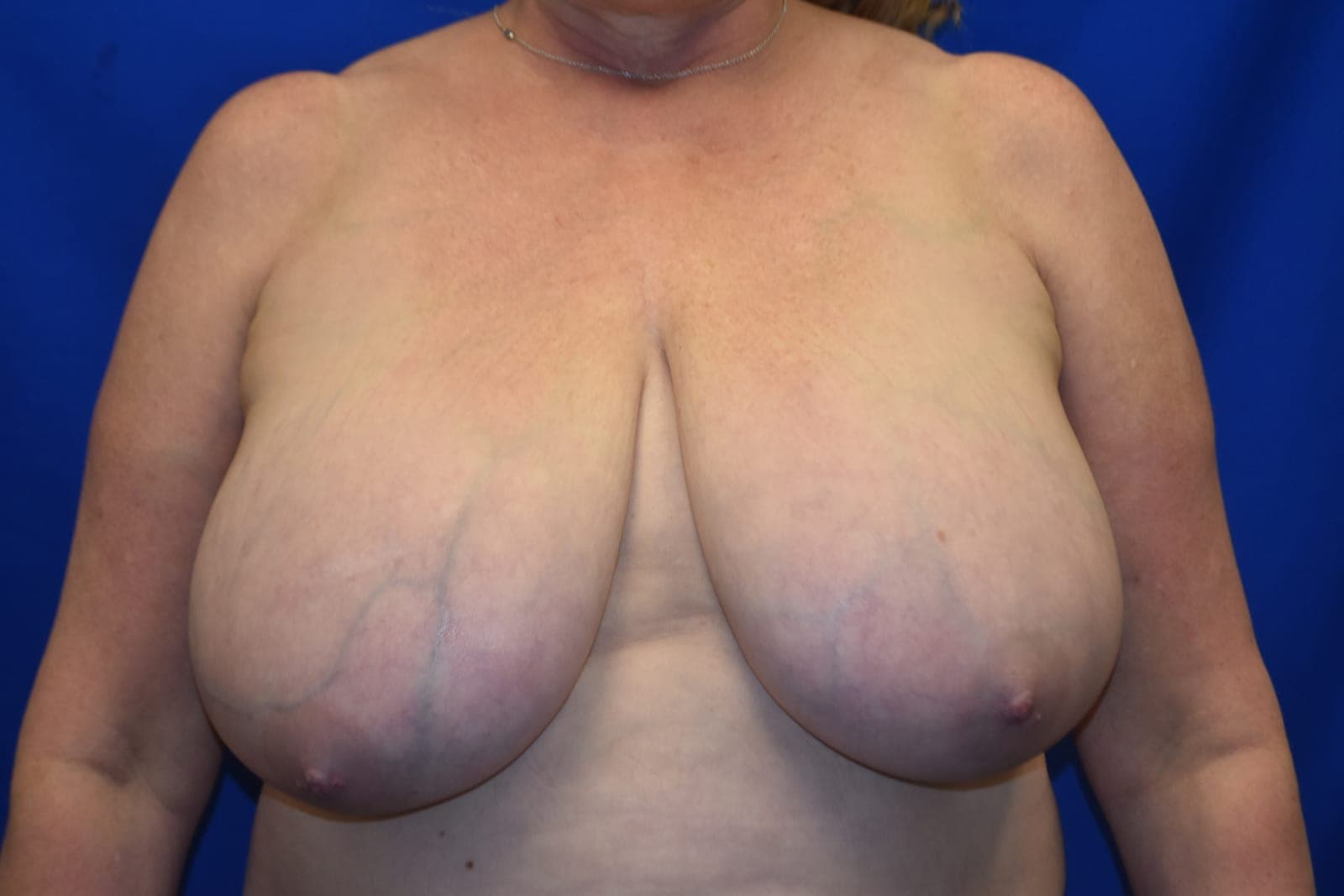
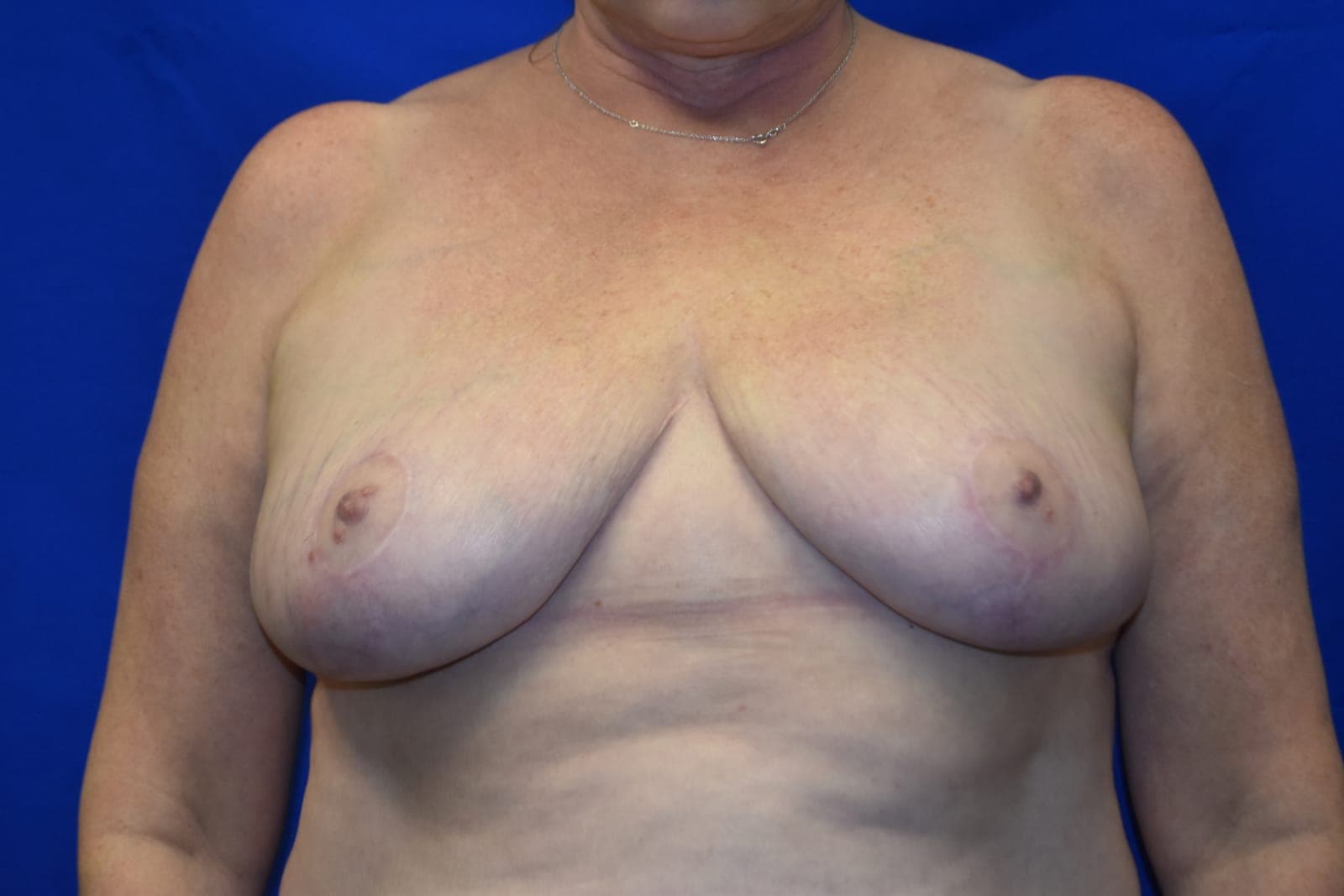
Breast Reduction
2 views available
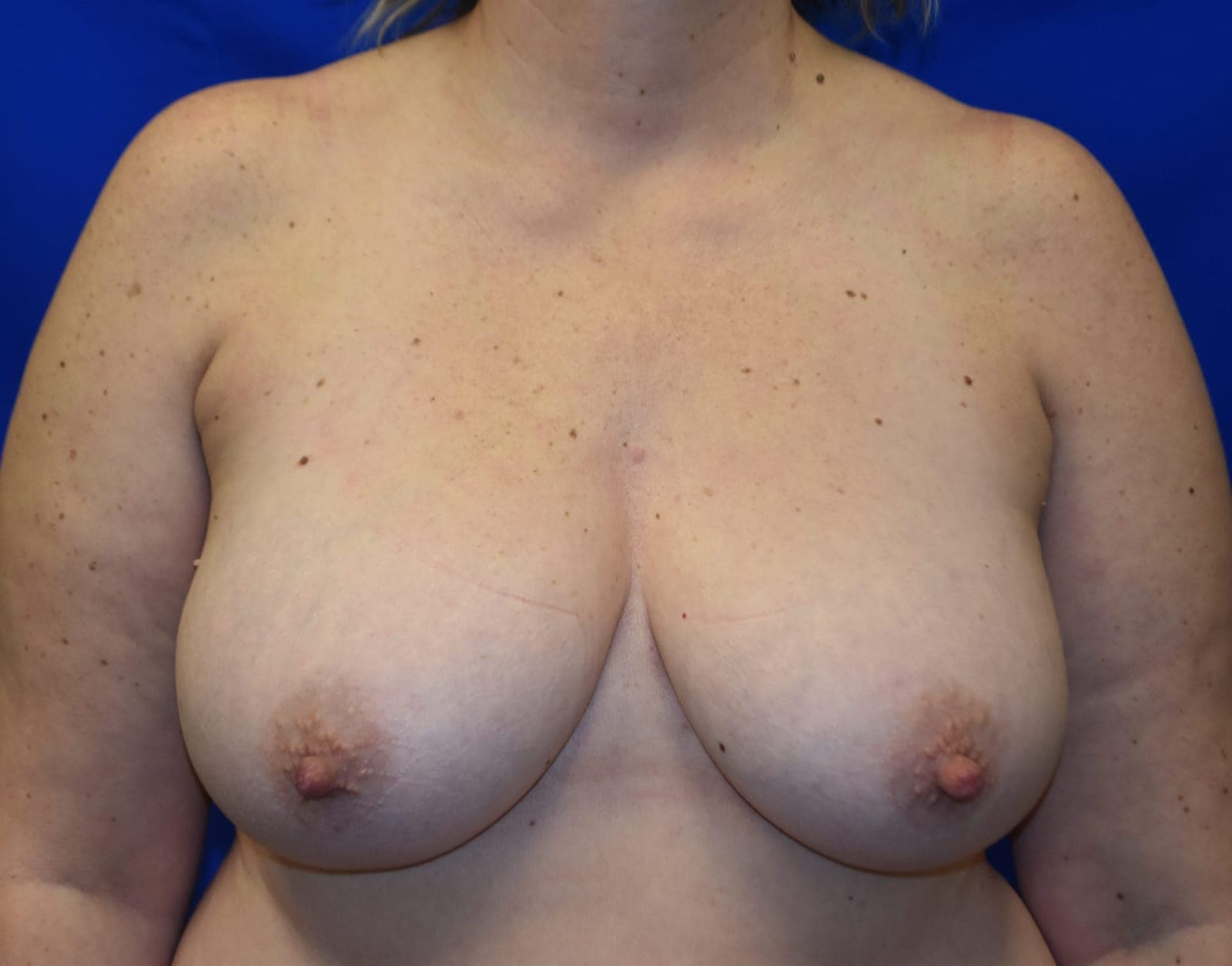
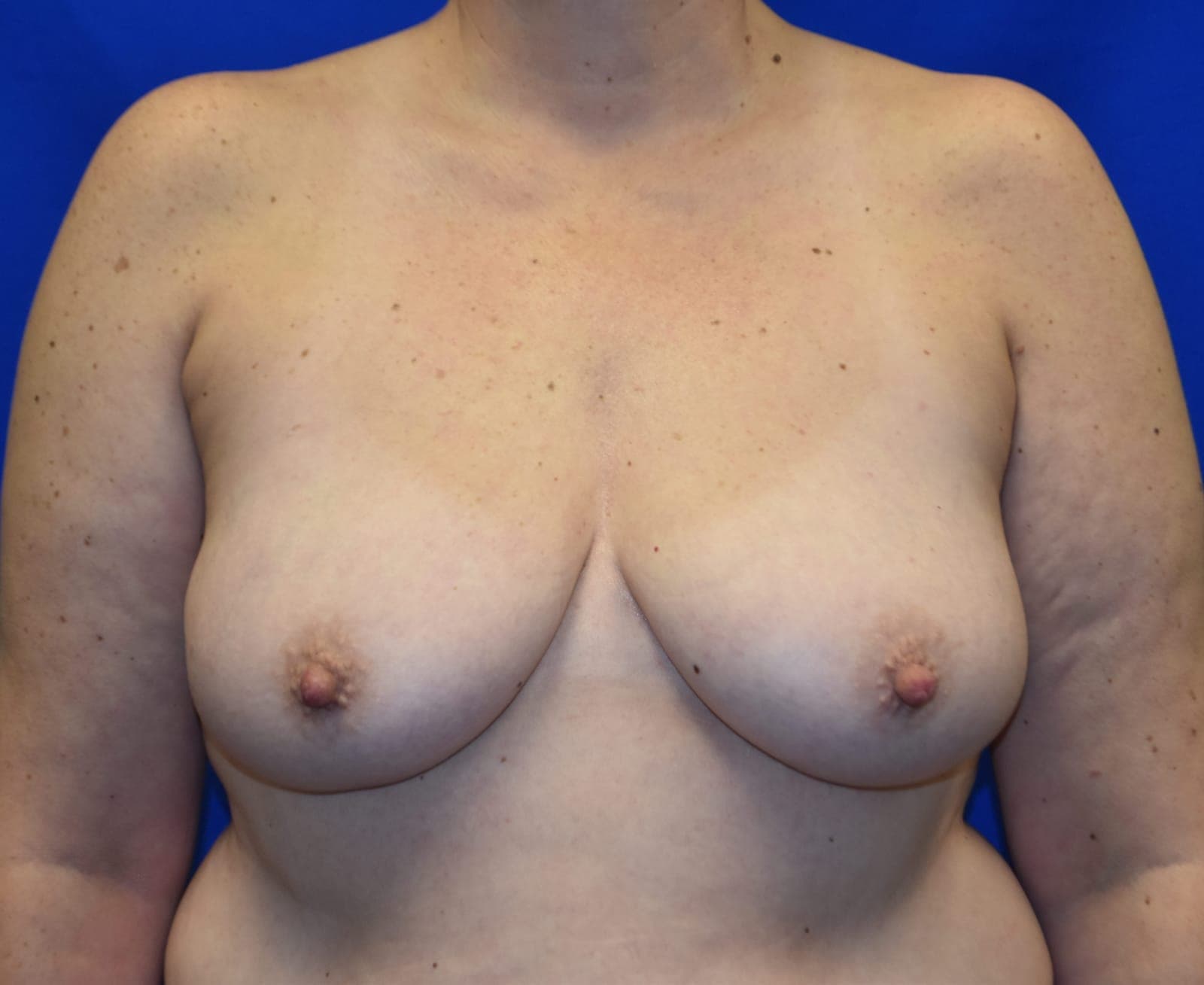
Breast Reduction
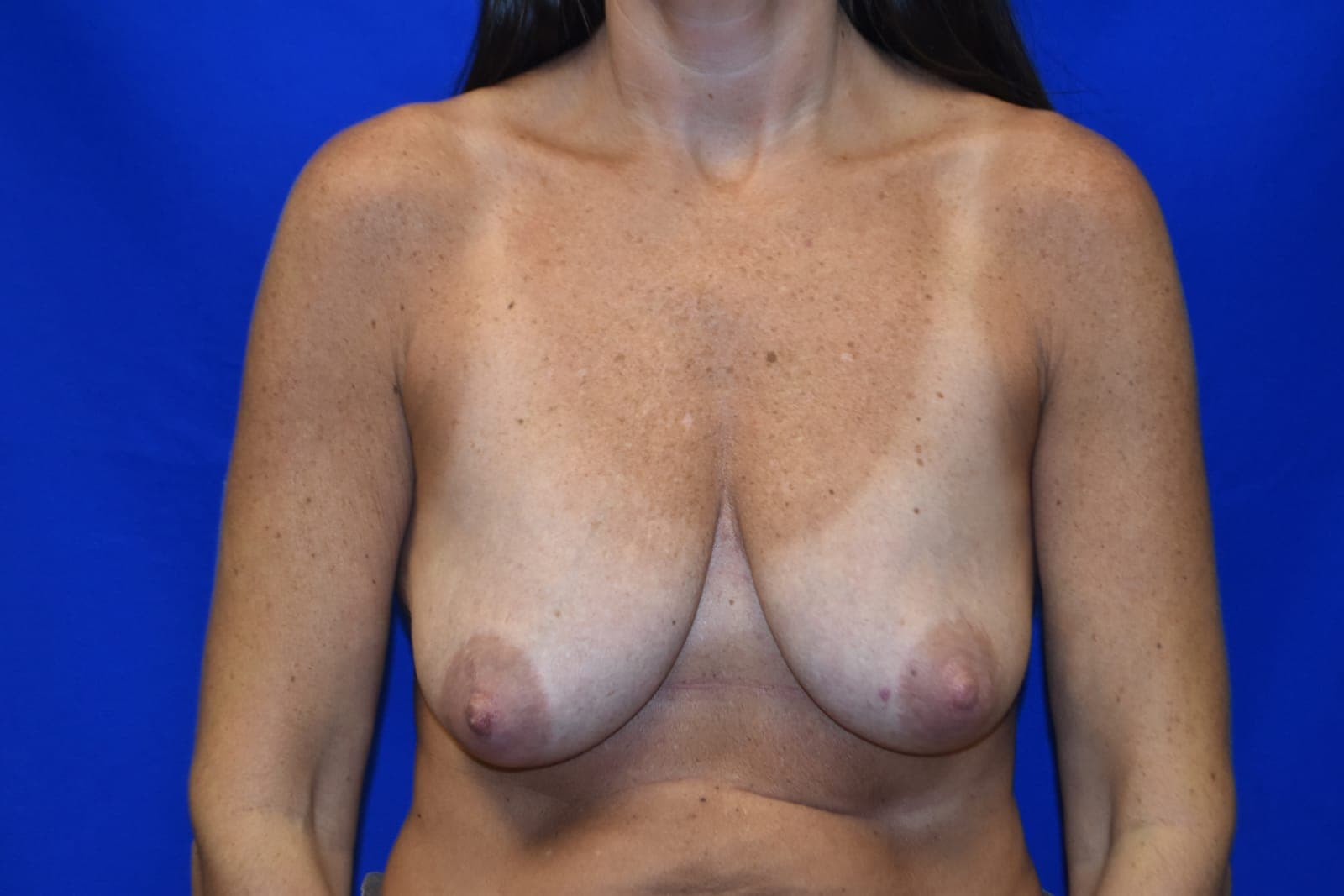
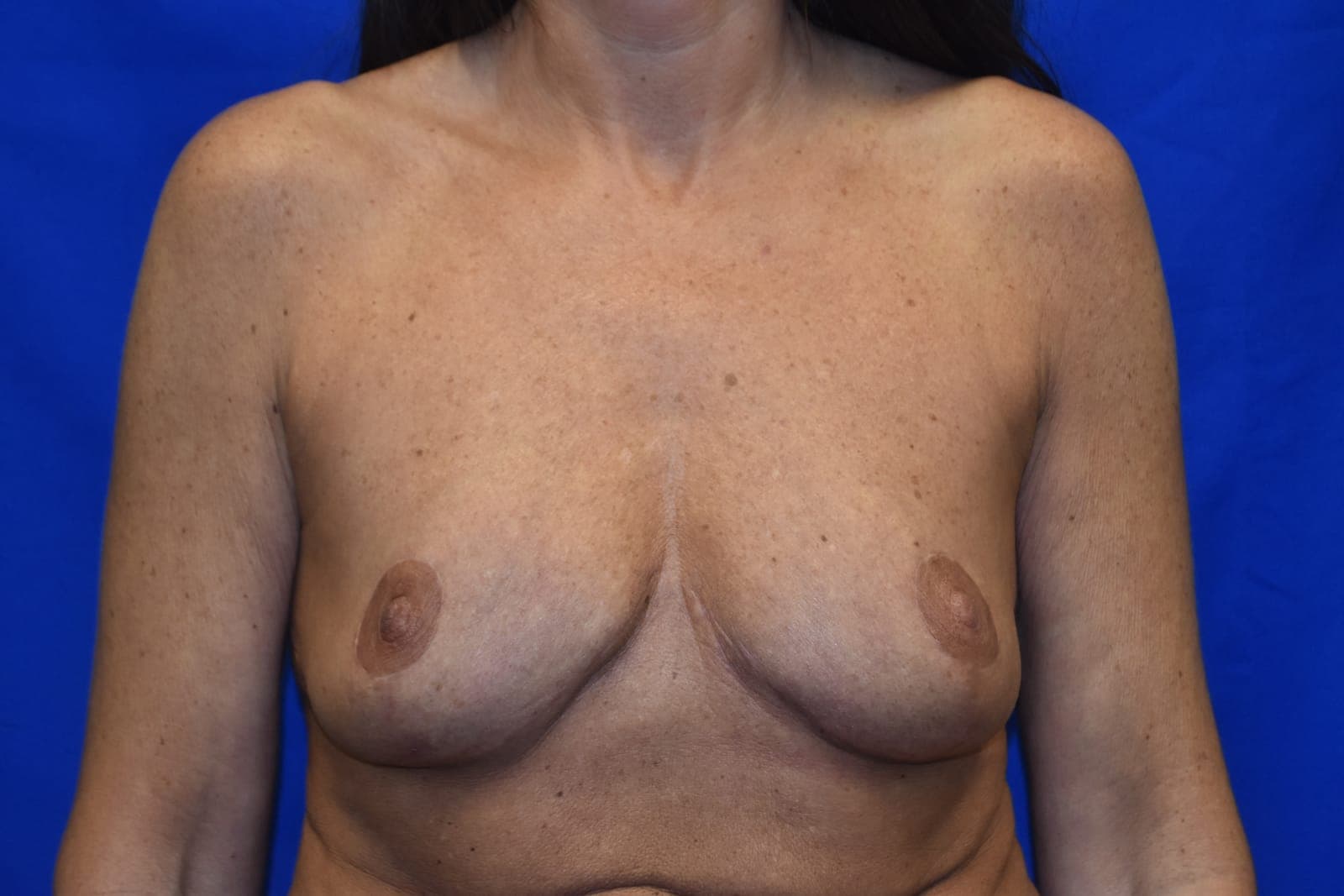
Breast Reduction
2 views available
Frequently Asked Questions
Will insurance cover my breast reduction?
Many insurance plans cover breast reduction when medical necessity is documented. Requirements typically include documented symptoms (back pain, rashes, etc.), failed conservative treatments, and a minimum amount of tissue removal based on your body surface area. Our office has extensive experience with insurance approvals and will help you through the process, including obtaining required documentation from your primary care physician.
How much smaller will my breasts be?
The amount of reduction is adjusted to your goals, body frame, and symptoms. During consultation, we'll discuss your desired cup size and what's realistic for your body. Most patients drop 2-4 cup sizes. We'll show you similar before-and-after photos to help you visualize potential results.
Will I be able to breastfeed after breast reduction?
Many women can still breastfeed after reduction, particularly with techniques that keep the nipple attached to underlying tissue. However, any breast surgery carries some risk of affecting milk production. If breastfeeding future children is very important to you, discuss this during consultation so we can use the most nipple-preserving technique possible.
Will I lose nipple sensation?
Most women retain good nipple sensation after breast reduction, though temporary numbness is common during healing. Some patients experience permanent changes in sensation, which can range from decreased sensitivity to hypersensitivity. The risk is higher with very large reductions.
What scars will I have?
Traditional breast reduction requires incisions that result in permanent scars, typically around the areola, vertically down the breast, and sometimes along the breast crease (anchor pattern). Scars fade significantly over 12-18 months and are mostly hidden by bras and swimsuits. For select patients whose concern is primarily excess fatty tissue with good skin tone, a liposuction-only reduction with minimal scarring may be an option; Dr. Kurtzman will discuss whether you are a candidate. Most patients feel the dramatic improvement in symptoms and appearance is well worth the trade-off.
When can I exercise after breast reduction?
Light walking is encouraged immediately. Light exercise can resume around 4 weeks. High-impact activities, running, and heavy lifting should wait until 6 weeks. Most patients find that exercise is actually easier after reduction because they no longer have the discomfort of heavy breasts during physical activity.
Your Expert for Breast Reduction

Lawrence C. Kurtzman, MD
MD
Board-Certified Plastic Surgeon
Why We Excel
- Deep understanding of the physical and emotional impact of macromastia on quality of life
- Techniques that maximize preservation of nipple sensation and breastfeeding potential
- Creates proportionate, natural-looking results adjusted to your body frame and goals
- Extensive experience helping patients navigate insurance approval process successfully
What Our Patients Say
Real experiences from Kurtzman Plastic Surgery patients
Ready to Learn More About Breast Reduction?
Schedule a private consultation to discuss your goals and explore your options with our expert team.