Breast Augmentation
Breast augmentation enhances breast size and shape using saline or silicone implants, helping you achieve the natural-looking, proportionate figure you desire.
At a Glance
Procedure Time
1-2 hours
Recovery Time
4-6 weeks
Board-Certified
ABPS Surgeon
Starting Cost
$6,500+
What is Breast Augmentation?
Breast augmentation is one of the most popular cosmetic procedures in the world, and for good reason, it can dramatically enhance confidence and body image when performed by a skilled surgeon who prioritizes natural-looking results. The procedure uses FDA-approved implants (silicone gel or saline) to increase breast volume, improve shape, correct asymmetry, or restore fullness lost after pregnancy, breastfeeding, or weight loss. Dr. Kurtzman brings a patient-centered approach to breast augmentation, taking time to understand your aesthetic goals and helping you visualize different outcomes during consultation. He believes the best results look and feel natural, enhancing your proportions rather than creating an obviously augmented appearance. Modern implant technology offers an impressive range of sizes, shapes (round or anatomical), profiles (how much the implant projects), and textures, allowing for individually planned results. Combined with strategic incision placement and optimal implant positioning, breast augmentation can create beautiful, proportionate results that complement your unique body frame and last for many years.
Technique Options
Dr. Kurtzman offers multiple facelift techniques tailored to your unique needs and goals:
Silicone Gel Implants
FDA-approved cohesive silicone gel implants that feel remarkably like natural breast tissue. Available in round or anatomical (teardrop) shapes with various projection profiles to customize your look.
Best for: Patients wanting the most natural look and feel; the most popular choice among augmentation patients
Saline Implants
Silicone shells filled with sterile saline solution after insertion. Allows for smaller incisions and precise volume adjustment during surgery. If a rupture occurs, saline is safely absorbed by the body.
Best for: Patients who prefer adjustability, smaller incisions, or peace of mind with saline fill
Submuscular Placement (Under the Muscle)
Implants are placed partially beneath the pectoralis chest muscle. Provides additional tissue coverage for a more natural slope, may reduce capsular contracture risk, and allows clearer mammograms.
Best for: Most patients, especially those with less natural breast tissue; the most common placement approach
Subglandular Placement (Over the Muscle)
Implants are placed directly behind the breast tissue but above the chest muscle. May result in slightly shorter recovery and avoids animation deformity (implant movement during chest muscle flexing).
Best for: Patients with adequate natural breast tissue coverage, or those with specific anatomical considerations
Ideal Candidates
Breast augmentation can help women achieve their aesthetic goals when they meet certain criteria. During your consultation, we will evaluate your anatomy, discuss your goals, and help you make informed decisions:
- Desire fuller breasts or improved breast proportions relative to your body frame
- Want to correct breast asymmetry where one breast is noticeably different in size or shape
- Have lost breast volume after pregnancy, breastfeeding, or significant weight loss
- Have fully developed breasts (typically age 18+ for saline, 22+ for silicone per FDA guidelines)
- Are at a stable weight, significant weight fluctuations can affect your results
- Non-smoker or willing to quit at least 4 weeks before and after surgery
- In good overall health without conditions that increase surgical risk or impair healing
- Have realistic expectations, understanding that augmentation enhances your natural figure rather than creating perfection
The Procedure
Your breast augmentation is planned based on your anatomy, goals, and lifestyle. The procedure is performed under general anesthesia in an accredited surgical facility and typically takes 1-2 hours:
1. Anesthesia & Preparation
Anesthesia is administered for your comfort. Precise markings are made on your chest to guide implant placement, based on the surgical plan developed during your consultation.
2. Incision Placement
An incision is made in one of three locations: in the natural fold under the breast (inframammary, most common), around the lower edge of the areola (periareolar), or in the armpit (transaxillary). Each approach has advantages, and your surgeon will recommend the best option for your anatomy and implant choice.
3. Creating the Implant Pocket
A precise pocket is created either behind the breast tissue (subglandular) or partially under the chest muscle (submuscular/dual plane). Submuscular placement provides more tissue coverage, often resulting in a more natural appearance and easier mammography, while subglandular may be appropriate for certain body types.
4. Implant Insertion & Positioning
The implant is carefully inserted into the pocket and positioned for optimal symmetry and natural contour. Silicone implants are inserted pre-filled; saline implants are inserted empty and filled to the precise volume once in place, allowing fine-tuning of size.
5. Symmetry Assessment
With both implants in place, symmetry, position, and contour are carefully evaluated. Adjustments are made as needed so that both breasts match as closely as possible.
6. Closure & Support
Incisions are closed in layers with dissolvable internal sutures and skin closure that minimizes scarring. A surgical support bra is applied to provide comfort and help implants settle into proper position during healing.
Recovery & Results
Your recovery begins in our recovery suite where you will rest until anesthesia wears off. Most patients go home the same day with a companion. The first 3-5 days are typically the most uncomfortable, you may experience tightness, soreness, and swelling in the chest, which is well-managed with prescribed pain medication. Most patients describe it as feeling like intense muscle soreness after a workout. By week 1, discomfort significantly decreases and you can resume light daily activities. By week 2, most patients return to desk work and feel comfortable driving (once off pain medication). Swelling and bruising continue to improve, though your breasts will sit higher than their final position initially. Weeks 3-4 bring noticeable improvement, implants begin to 'drop and fluff' (descend into a more natural position while the lower pole softens). By week 6, most patients can resume exercise and normal activities. Full settling takes 3-6 months, when your final results become apparent.
Your new breast shape is visible immediately after surgery, though the final result emerges over 3-6 months as swelling resolves and implants settle into their natural position. Modern implants are designed to last many years, while they do not have an expiration date, most manufacturers recommend evaluation around 10-15 years. Many women enjoy their implants for decades without issues. Regular self-exams and mammograms (as recommended for your age) help monitor breast health.
Real Patient Results
See the transformative results our patients have achieved
Sensitive Content
This gallery contains medical before and after images
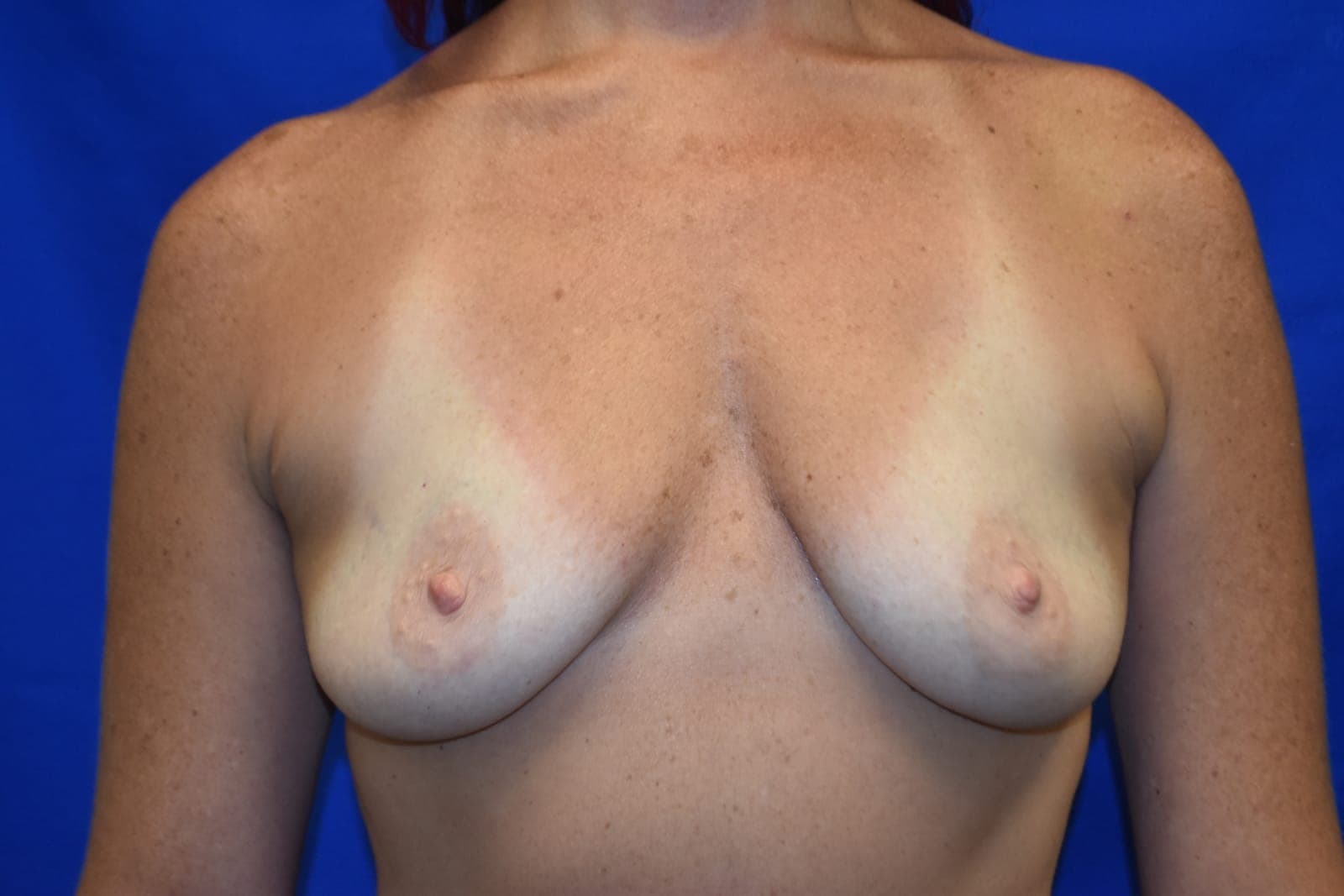
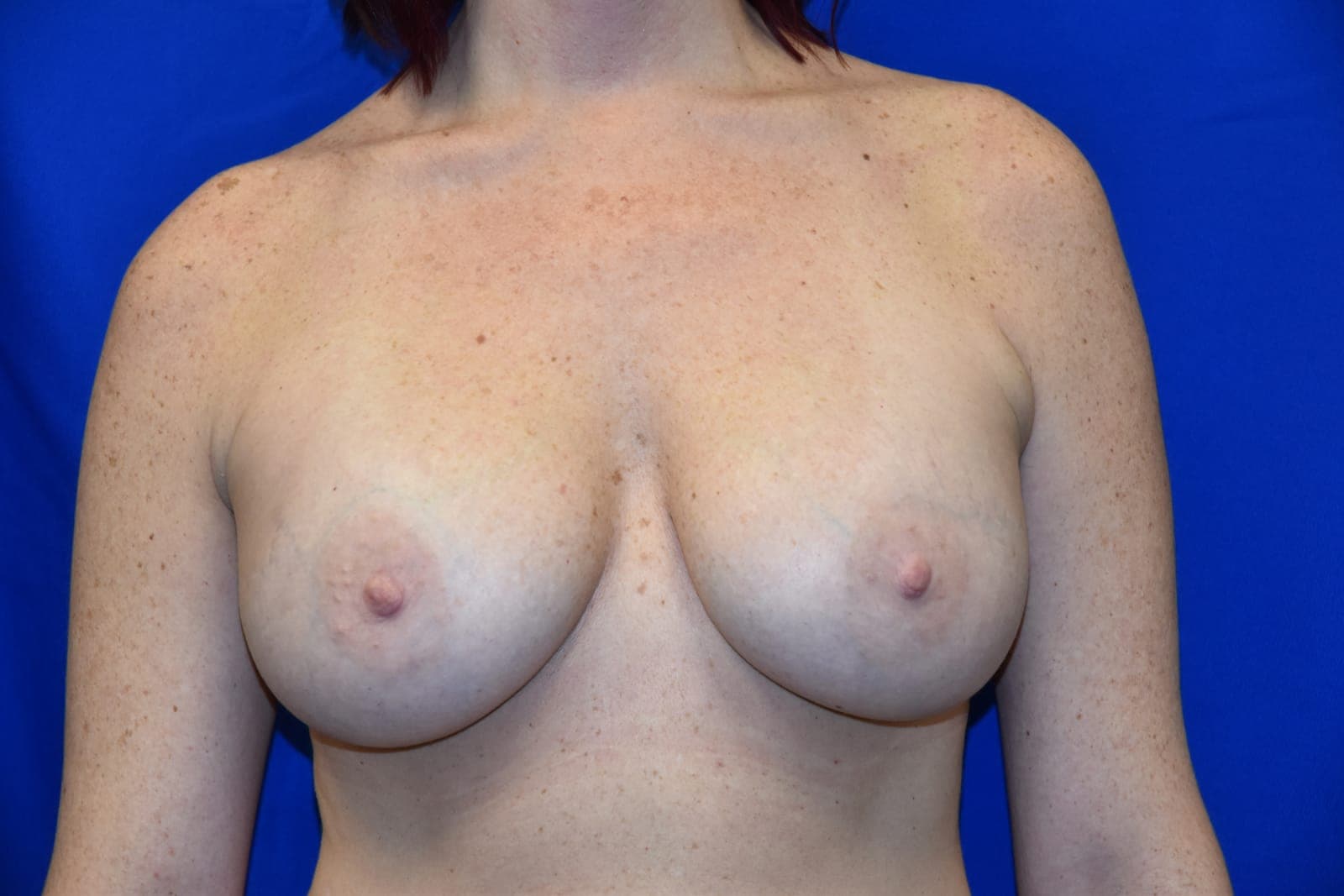
Breast Augmentation
2 views available
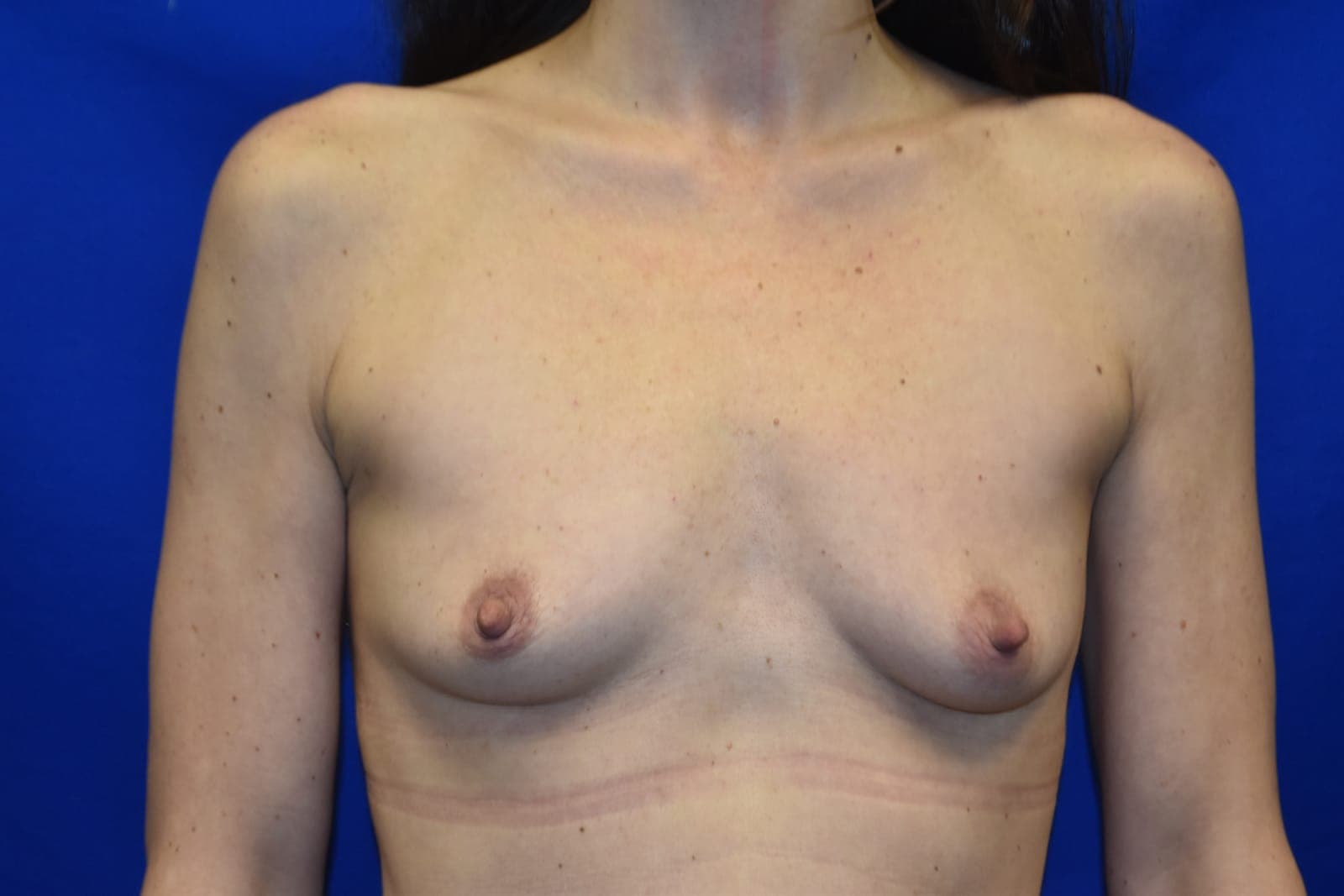
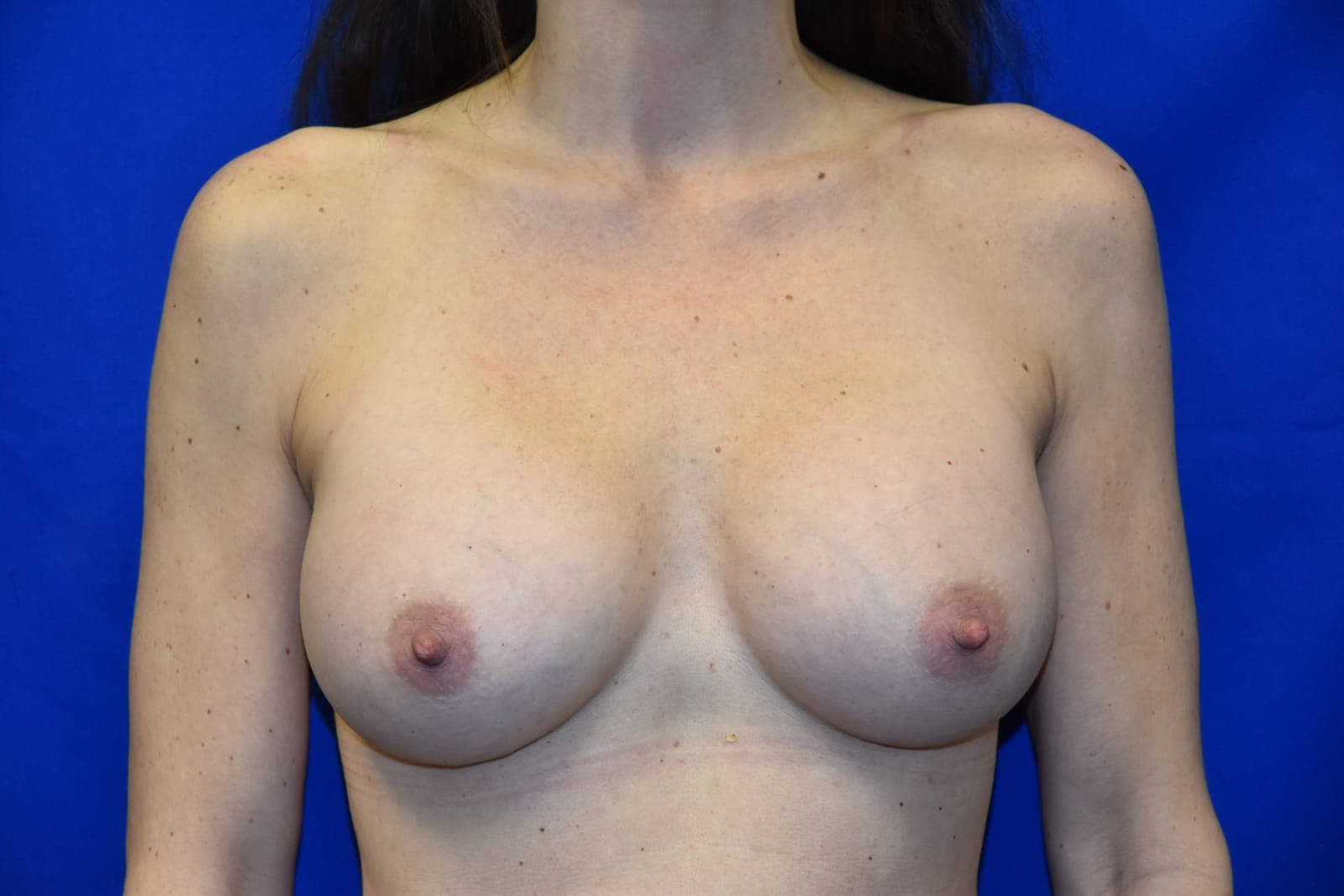
Breast Augmentation
2 views available
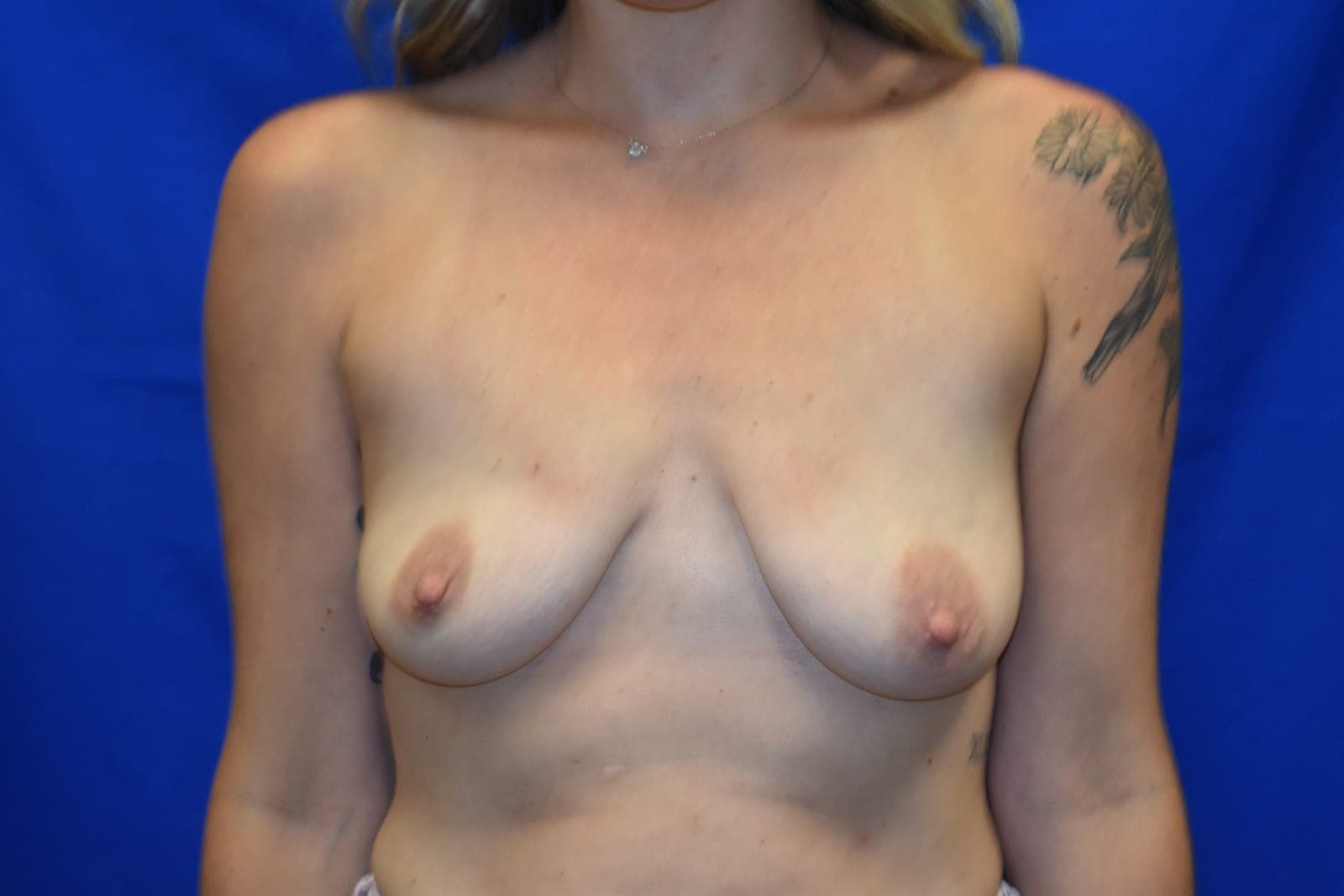
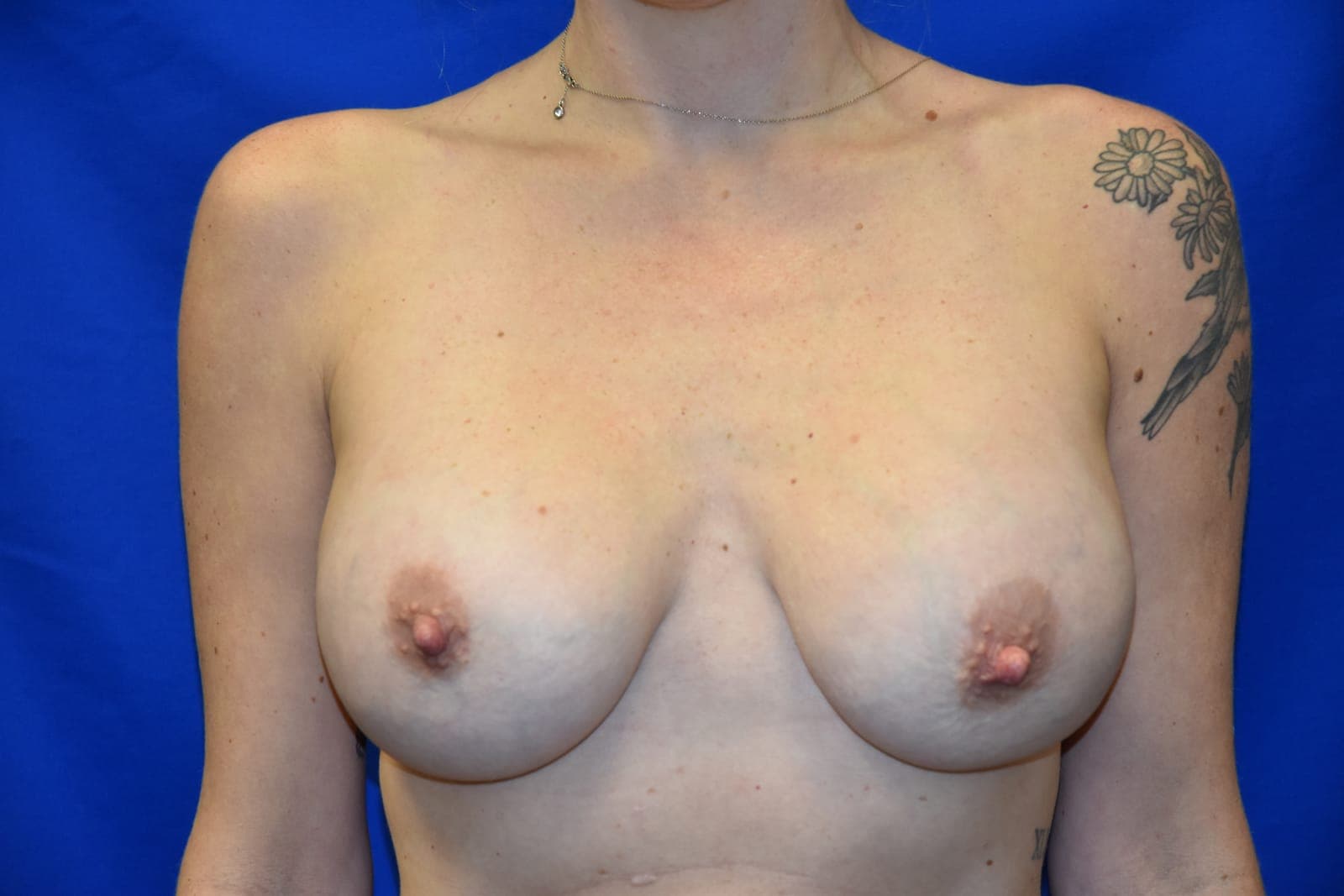
Breast Augmentation
2 views available
Frequently Asked Questions
Saline vs. silicone: which is better?
Neither is universally 'better', the right choice depends on your body and goals. Silicone gel implants feel most like natural breast tissue and are preferred by most patients for their soft, natural feel. Saline implants are filled after insertion (allowing smaller incisions), can be adjusted for precise sizing, and some patients prefer knowing they contain only saltwater. During consultation, you will have the opportunity to feel both types and discuss which best suits your anatomy and preferences.
Will breast augmentation affect breastfeeding?
Most women can breastfeed successfully after augmentation. The periareolar incision (around the nipple) has the highest theoretical risk of affecting milk ducts, but even with this approach, most women breastfeed without difficulty. If future breastfeeding is important to you, discuss this during consultation so we can choose the approach that best preserves your options.
How long do breast implants last?
Modern implants are remarkably durable and do not have an expiration date. However, they are not considered lifetime devices. Most manufacturers recommend evaluation around 10-15 years. Some women keep their original implants for 20+ years without issues, while others choose to replace them sooner, either due to a complication (rare) or to change size. We recommend periodic monitoring and addressing any changes promptly.
Will I lose nipple sensation?
Temporary changes in nipple sensation are common after augmentation, you may experience increased sensitivity, decreased sensitivity, or numbness. In most cases, normal sensation returns within weeks to months as nerves heal. Permanent sensation changes are uncommon but can occur, particularly with larger implants or certain incision approaches.
What size implant should I choose?
Size selection is one of the most important decisions in breast augmentation. Rather than focusing on cup sizes (which vary between bra brands), we use implant volume (measured in cc's) and dimensional planning based on your chest width and tissue characteristics. During consultation, you will try on sizers in a bra to visualize different sizes. We help you find the size that achieves your goals while remaining proportionate to your frame.
Can breast augmentation be combined with a lift?
Yes, breast augmentation with lift (augmentation mastopexy) is very common for women who desire both increased volume and improved position. If your nipples point downward or sit below your breast crease, you may benefit from adding a lift. This combination addresses both volume and sagging in a single surgery, though it involves additional incisions. We will assess whether you need a lift during consultation.
Your Expert for Breast Augmentation
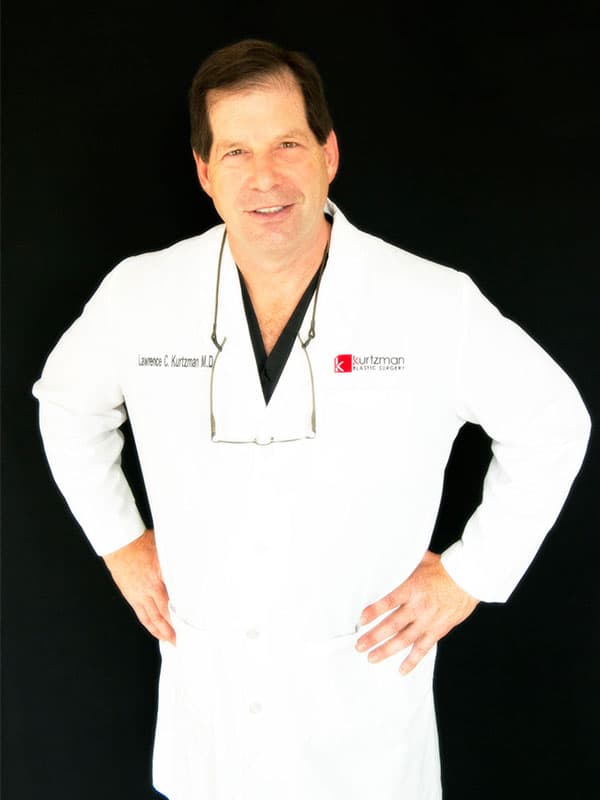
Lawrence C. Kurtzman, MD
MD
Board-Certified Plastic Surgeon
Why We Excel
- Board-certified plastic surgeon with fellowship training in aesthetic plastic surgery
- Patient-centered approach, taking time to understand your unique goals and concerns
- Expert in both saline and silicone implants, including the latest cohesive gel technology
- Skilled in multiple incision and placement approaches to optimize your specific result
What Our Patients Say
Real experiences from Kurtzman Plastic Surgery patients
Ready to Enhance Your Confidence?
Schedule a private consultation to discuss your goals and explore your options with our expert team.