Labiaplasty
Labiaplasty reduces and reshapes enlarged or uneven labia minora to relieve physical discomfort and improve the appearance of the area, helping you feel more comfortable in everyday activities and clothing.
At a Glance
Procedure Time
1-2 hours
Social Recovery
1-2 weeks
Board-Certified
ABPS Surgeon
Exercise & Intimacy
4-6 weeks
What is Labiaplasty?
Labiaplasty is a surgical procedure that trims or reshapes enlarged, uneven, or thickened labia minora, the inner lips of the vulva. Many women have labia minora that extend beyond the labia majora, and while there is a wide range of normal anatomy, some find this causes both physical and personal concerns. Enlarged labia can become irritated during exercise, cycling, or other activities, can make hygiene more difficult, and can cause discomfort with certain clothing or during intercourse. For others, the concern is primarily about appearance and self-consciousness. Labiaplasty addresses these issues by removing excess tissue and recreating a smoother, more even labial edge. Modern techniques allow the surgeon to refine the contour while preserving a natural color and shape. The procedure can be performed on one or both sides and is often combined with other treatments of the area when appropriate. Dr. Kurtzman performs labiaplasty in a private, respectful setting, and the practice maintains before and after cases to help you understand realistic outcomes. The goal is a comfortable, natural-looking result that fits your anatomy and addresses the symptoms or appearance that prompted you to seek treatment.
Technique Options
Dr. Kurtzman offers multiple facelift techniques tailored to your unique needs and goals:
Trim Technique
The outer edge of the labia minora is removed so the inner labia sit even with, or slightly within, the labia majora. Because the trimmed border includes the naturally darker pigmented edge, this technique can address concerns about both size and the color of the labial edge.
Best for: Women whose main concern is the length and the darker pigmented edge of the labia, and who want a straightforward reduction of protruding tissue.
Wedge Technique
A V-shaped wedge of tissue is removed from each side and the remaining edges are stitched together. This preserves the natural border of the labia and creates a smooth transition, though it leaves the original edge and its natural pigment intact.
Best for: Women who want to keep the natural-looking labial border and a smooth transition near the clitoral area rather than removing the outer edge.
Ideal Candidates
Labiaplasty can help women who are bothered by the size, shape, or symmetry of their labia minora, whether for comfort, hygiene, or appearance. During a private consultation, we review your concerns, examine the area, and determine whether the procedure is right for you:
- Women whose labia minora extend beyond the labia majora and cause self-consciousness
- Those who experience irritation, chafing, or discomfort during exercise, cycling, or other activities
- Women who find the enlarged tissue makes intimate hygiene more difficult to maintain
- Those who experience discomfort or pain during intercourse related to the labial tissue
- Women bothered by noticeable asymmetry or unevenness between the two sides
- Patients in good overall health who do not smoke or are willing to stop before surgery
- Adults who have realistic expectations and understand that normal anatomy varies widely
- Women who have finished childbearing or who understand future pregnancy may affect the area
The Procedure
Labiaplasty is tailored to your anatomy and goals, and is performed as an outpatient procedure. The technique is chosen during your consultation based on the amount of tissue, your concerns about the labial edge, and the overall shape you are hoping to achieve:
1. Consultation & Planning
In a private, respectful setting, Dr. Kurtzman examines the area and discusses your symptoms and goals. Together you decide how much tissue to remove, which technique best fits your anatomy, and what kind of anesthesia is right for you.
2. Anesthesia
The procedure is performed under local anesthesia with sedation or under general anesthesia, depending on your preference and the extent of the surgery. Medications are used to keep you comfortable and to minimize bleeding during the procedure.
3. Marking & Technique Selection
The labia are carefully marked while you are positioned and prepared. Depending on the plan, the surgeon uses a trim technique that removes the outer edge of the labia, or a wedge technique that removes a V-shaped section and reconnects the remaining edges to preserve the natural border.
4. Tissue Removal & Reshaping
Excess tissue is precisely removed and the labial edge is reshaped to create a smoother, more even contour. Care is taken to recreate a natural-looking edge, address any asymmetry, and protect the surrounding sensitive structures.
5. Closure
The incisions are closed with fine absorbable sutures that dissolve on their own, so there are no stitches to remove. The reshaped tissue is left to heal in its new contour.
6. Recovery & Aftercare
You go home the same day with detailed instructions for gentle cleansing and antibiotic ointment. Most patients have only mild discomfort that is well managed, and you will be given a clear timeline for resuming your normal activities.
Recovery & Results
Recovery from labiaplasty is usually well tolerated, with mild swelling and limited discomfort that is typically managed with over-the-counter medication. Cold compresses and loose clothing help during the first several days. Most patients return to desk work and light daily activities within a few days, and many feel comfortable with normal social activities within one to two weeks. You will be asked to keep the area clean, apply an antibiotic ointment, and avoid friction during early healing. Strenuous exercise, cycling, and sexual activity should be avoided for about four to six weeks, or until Dr. Kurtzman clears you. The absorbable sutures dissolve on their own and do not need to be removed. Some swelling can linger for several weeks, and it can take a few months for the area to settle completely.
Once healing is complete, labiaplasty produces a smoother, more even labial contour and relief from the irritation or discomfort that prompted treatment. Final results become apparent as swelling fully resolves, which can take several months. Labiaplasty performed as a reduction is intended to be a one-time, long-lasting procedure, and most patients enjoy durable results. Future pregnancy, childbirth, or significant hormonal changes can affect the area over time. Most women report improved comfort during activities and intimacy along with greater confidence.
Real Patient Results
See the transformative results our patients have achieved
Sensitive Content
This gallery contains medical before and after images
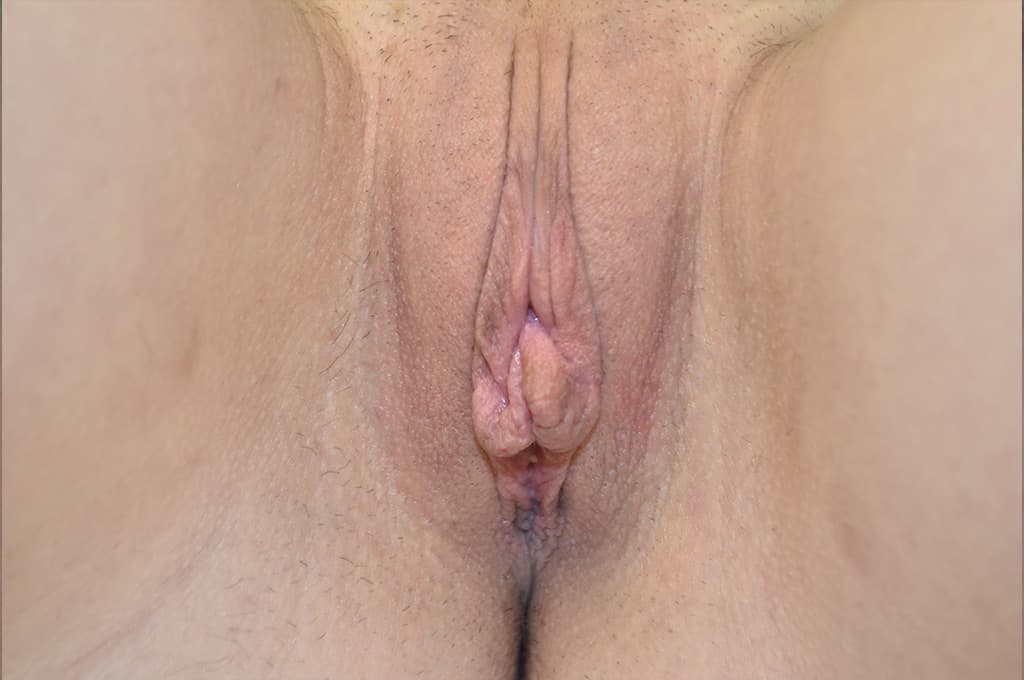
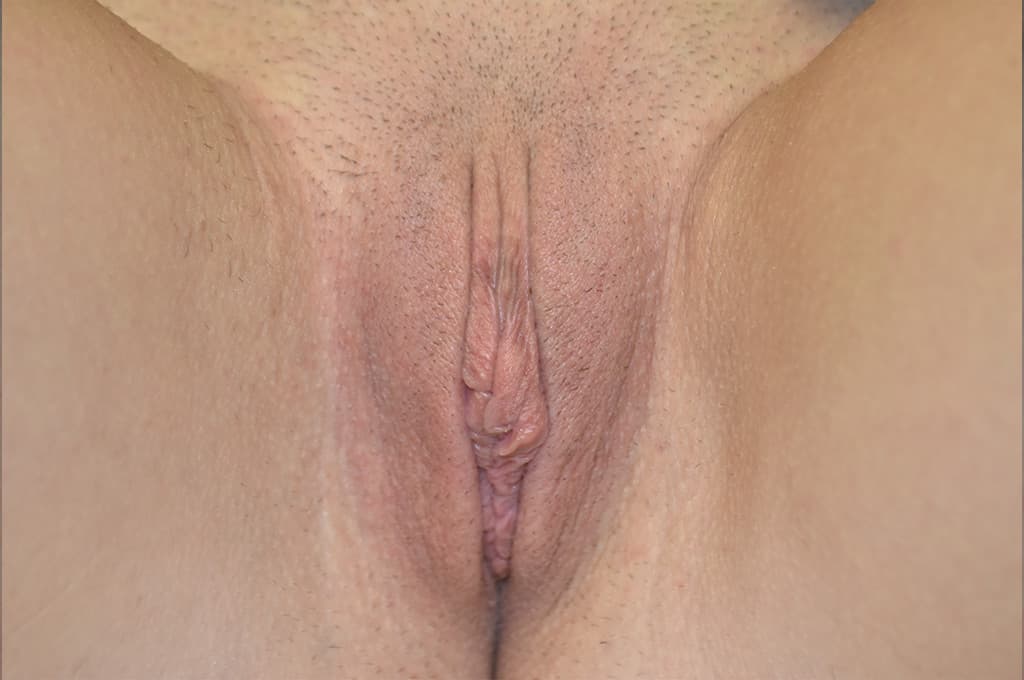
Labiaplasty
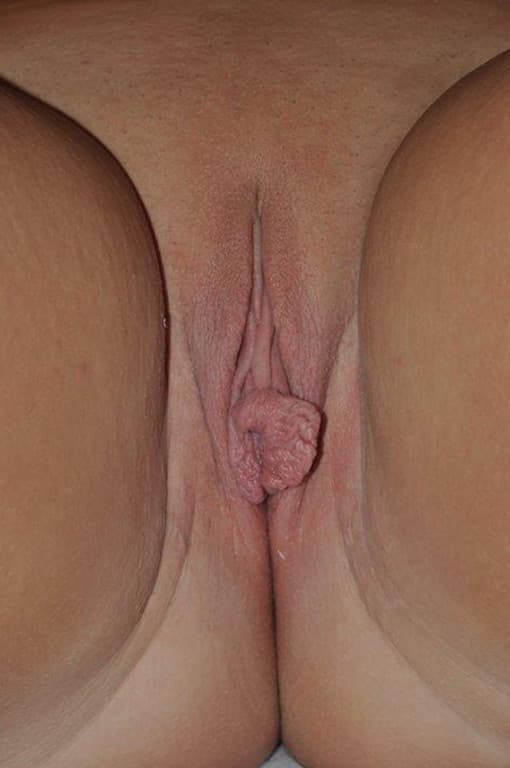
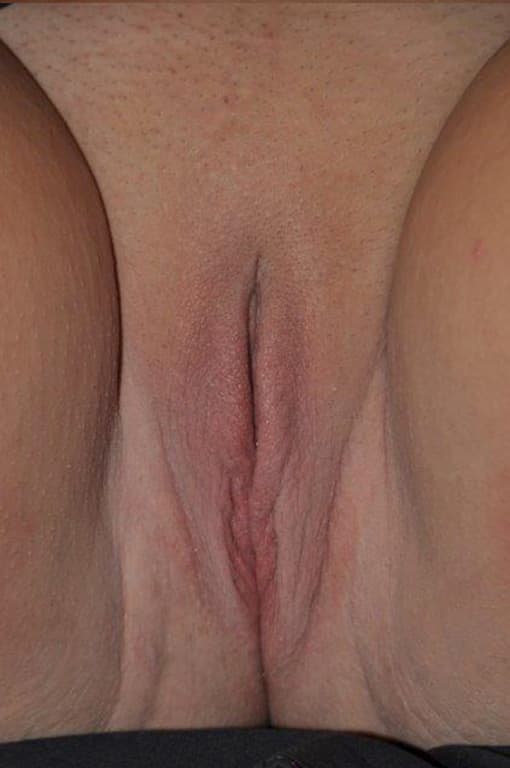
Labiaplasty
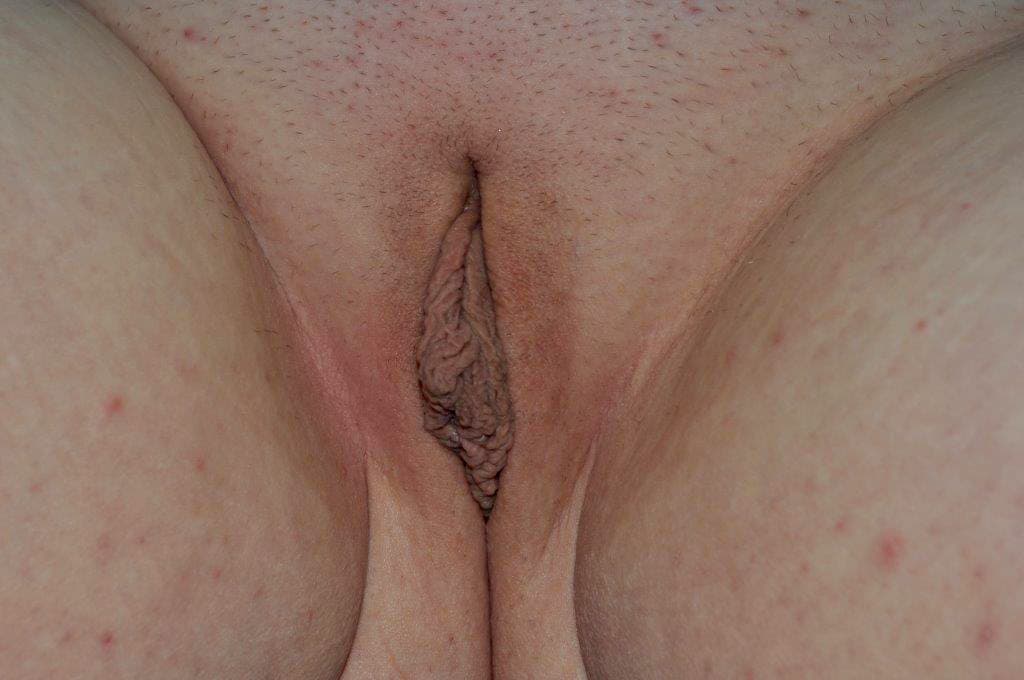
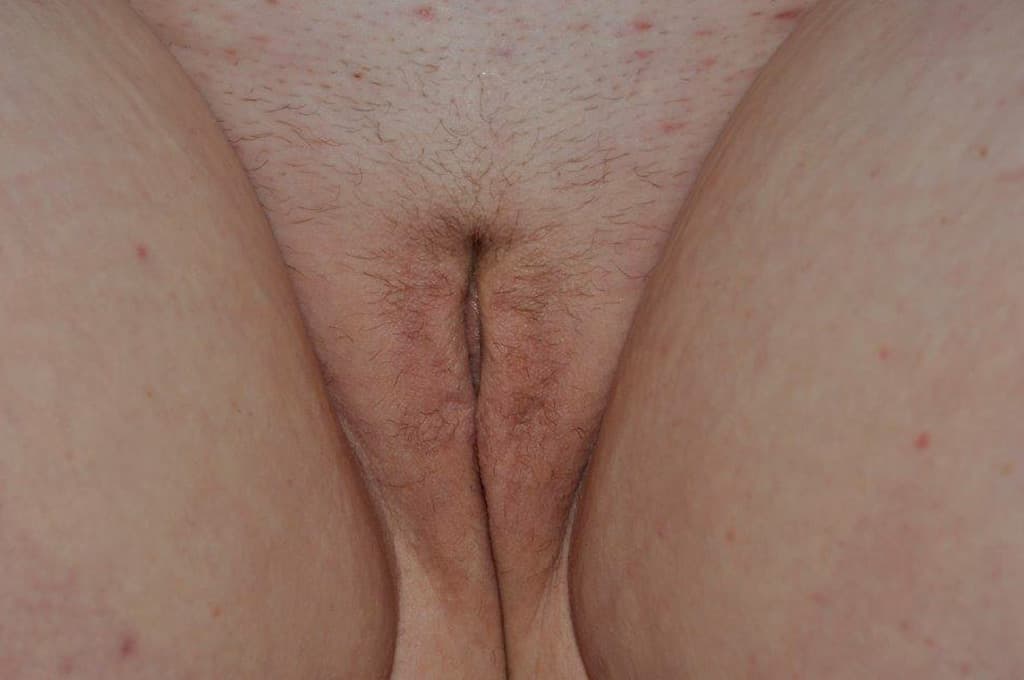
Labiaplasty
Frequently Asked Questions
Is labiaplasty painful?
Most patients are surprised by how little discomfort they experience. There is usually mild swelling and tenderness in the first several days that is well controlled with over-the-counter medication, cold compresses, and loose clothing. The absorbable sutures dissolve on their own, so there are no stitches to remove.
How long is the recovery?
Most patients return to desk work and light activities within a few days and feel comfortable with normal social activities in one to two weeks. Strenuous exercise, cycling, and sexual activity should be avoided for about four to six weeks, or until you are cleared. Some swelling can take a few months to fully resolve.
What is the difference between the trim and wedge techniques?
The trim technique removes the outer edge of the labia, including the naturally darker pigmented border, so the inner labia sit even with the outer labia. The wedge technique removes a V-shaped section and reconnects the edges, which preserves the natural border but keeps the original pigment. Dr. Kurtzman helps you choose the approach that fits your anatomy and goals during your consultation.
Will labiaplasty affect sensation or sexual function?
When performed carefully, labiaplasty is designed to preserve sensation and function. Many women report no change or improved comfort during intimacy, since the procedure can relieve the irritation or discomfort caused by enlarged tissue. We will discuss what to expect for your specific situation during the consultation.
How long do the results last?
Labiaplasty performed as a reduction is intended to be a one-time, long-lasting procedure, and most patients enjoy durable results once healing is complete. Future pregnancy, childbirth, or significant hormonal changes can affect the area over time.
What kind of anesthesia is used?
Labiaplasty can be performed under local anesthesia with sedation or under general anesthesia. The right choice depends on the extent of your procedure and your comfort, and it is decided together during your consultation.
What Our Patients Say
Real experiences from Kurtzman Plastic Surgery patients
Ready to Learn More About Labiaplasty?
Schedule a private consultation to discuss your goals and explore your options with our expert team.