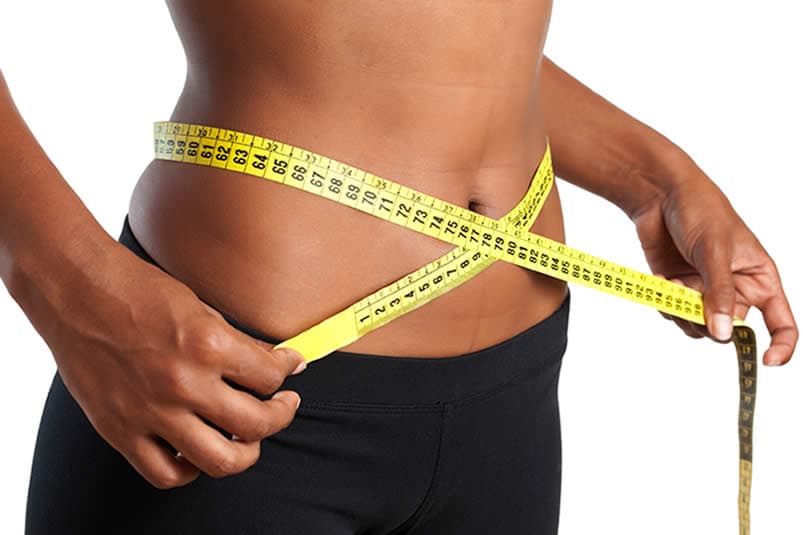
Body Lift
A body lift removes excess skin and fat from multiple areas including the abdomen, buttocks, and thighs, dramatically improving body contours after significant weight loss.
At a Glance
Procedure Time
4-6 hours
Recovery Time
4-6 weeks
Board-Certified
ABPS Surgeon
Starting Cost
$15,000+
What is a Body Lift?
A body lift (circumferential abdominoplasty or belt lipectomy) is one of the most significant procedures in plastic surgery, designed for patients who have achieved massive weight loss, typically 100+ pounds through diet, exercise, or bariatric surgery, and are left with significant excess skin that cannot be addressed by any non-surgical means. When you lose a substantial amount of weight, the skin often cannot contract enough to conform to your smaller body, leaving folds and aprons of hanging skin around the midsection, back, buttocks, and thighs. This excess skin causes physical problems (chafing, rashes, hygiene difficulties) and psychological distress (hiding your body despite your weight loss achievement). A body lift removes this circumferential band of excess skin and fat in a single procedure, dramatically improving contours from every angle. The surgery addresses the front (abdominoplasty component), the back and flanks, and the outer buttocks and thighs, creating a smoother, more proportionate silhouette. For many massive weight loss patients, body lift represents the final chapter of their transformation journey.
Technique Options
Dr. Kurtzman offers multiple facelift techniques tailored to your unique needs and goals:
Lower Body Lift (Belt Lipectomy)
The standard circumferential procedure addressing abdomen, flanks, back, buttocks, and outer thighs in a single surgery. Incision runs all the way around at bikini level.
Best for: Patients with circumferential excess skin around the entire midsection after massive weight loss
Fleur-de-Lis Body Lift
Adds a vertical incision up the center of the abdomen (in addition to the circumferential incision) to remove horizontal excess skin. Creates an anchor-shaped scar pattern.
Best for: Patients with significant horizontal skin excess in addition to vertical excess, common after very large weight loss
Extended Tummy Tuck with Lateral Lift
A less extensive option that addresses the front and extends to the flanks without going fully around the back. Suitable when back skin excess is minimal.
Best for: Patients with skin excess primarily in front and on the sides but minimal back laxity
Staged Body Contouring
Dividing the procedure into multiple surgeries, typically anterior (front) procedures first, then posterior (back) procedures several months later. Reduces operative time and risk.
Best for: Patients with significant medical concerns, very extensive skin excess, or preference for shorter individual procedures
Ideal Candidates
Body lift surgery delivers the most dramatic results for patients who have experienced significant weight loss. During consultation, we'll evaluate your skin laxity, health status, and readiness for this major procedure:
- Significant excess skin around the entire midsection (360 degrees) following massive weight loss
- Stable weight for at least 6-12 months, continuing to lose weight will affect results
- Generally within 10-30 pounds of goal weight (some remaining fat is acceptable)
- Good overall health and nutritional status, especially important after bariatric surgery
- Non-smoker or committed to quitting at least 6 weeks before and after surgery
- No active wound healing issues or skin breakdown in areas to be treated
- Realistic expectations about scars, recovery time, and the extent of transformation possible
- Emotional readiness for a major surgery with significant recovery period
The Procedure
Body lift is a major surgical procedure performed under general anesthesia, typically requiring 4-6 hours depending on the extent of excess skin. The surgery is planned based on where your greatest skin excess is located:
1. Anesthesia & Positioning
Surgery is performed under general anesthesia. You'll be positioned to allow access to both front and back. The procedure often starts with you on your stomach, then you're turned to complete the front.
2. Circumferential Incision Planning
A continuous incision is made around the entire circumference of the body, typically at the level where underwear or a bikini bottom would sit. The incision line is carefully planned to be hidden by clothing when possible.
3. Posterior (Back) Lift
Starting from the back, excess skin and fat are removed from the flanks, lower back, and buttocks area. The remaining tissue is elevated and tightened, lifting the buttocks and outer thighs.
4. Lateral (Side) Contouring
The incision continues around the hips, removing excess skin from the sides and lifting the outer thighs. This creates a smooth transition between back and front.
5. Anterior (Abdominoplasty) Component
The front portion includes a full tummy tuck, removing the abdominal skin apron, tightening the abdominal muscles (if separated), and repositioning the belly button in the newly tightened skin.
6. Closure & Drains
The incision is closed in multiple layers to distribute tension. Multiple drains are placed to prevent fluid accumulation. A compression garment is applied for support during healing.
Recovery & Results
Body lift recovery is significant and requires planning, but the transformation is worth it. Days 1-3: Hospital stay or overnight recovery facility is typical. Multiple drains in place. Pain well-controlled with medication. Limited mobility, you'll walk hunched over initially. Compression garment worn continuously. Week 1: Drains gradually removed as output decreases. Continue wearing compression garment. Very limited activity, short walks only. Help needed for daily activities. Weeks 2-4: Gradually increase mobility. Most patients walk upright by week 3. May return to desk work around week 3-4 if sedentary. Continue compression garment. Weeks 4-8: Resume light activities and driving. Swelling continues to decrease. Some patients need additional drain removal. Months 2-4: Gradually resume exercise. Final contours emerge as swelling resolves.
Results are dramatic and life-changing. Patients who felt their bodies didn't reflect their weight loss achievement finally see the transformation they worked so hard to achieve. Clothes fit properly, physical discomfort from skin folds is eliminated, and confidence soars. The circumferential scar fades over 12-18 months and is positioned to be hidden by underwear and swimsuits. Results are long-lasting as long as weight is maintained, and the removed skin cannot return.
Frequently Asked Questions
How much weight should I lose before a body lift?
You should be within 10-30 pounds of your stable goal weight and have maintained that weight for at least 6-12 months. Continuing to lose weight after surgery will affect your results, and being too heavy increases surgical risks. For bariatric surgery patients, we typically recommend waiting 18-24 months post-bariatric surgery so that your weight is stable.
Will insurance cover body lift surgery?
Some insurance plans cover portions of body contouring after documented massive weight loss, particularly if there are medical issues like chronic rashes, infections, or functional limitations. Coverage typically requires documented medical necessity and prior authorization. Our office can help with documentation and the approval process, though coverage varies significantly by plan.
What's the difference between body lift and tummy tuck?
A tummy tuck addresses only the front of the abdomen. A body lift is a circumferential procedure that addresses the front, back, flanks, and outer buttocks/thighs, essentially removing a belt of excess skin all the way around. Body lift is appropriate when excess skin extends beyond just the front of the abdomen.
Can body lift be combined with other procedures?
Body lift can sometimes be combined with other procedures like breast lift or arm lift. However, because body lift is already a lengthy procedure, staging (separating into multiple surgeries) is often recommended for safety. Combining too many procedures increases risks including blood loss, prolonged anesthesia, and complications.
How much skin is removed during a body lift?
The amount varies significantly based on your degree of skin excess. Some patients have 5-10 pounds of skin removed; others with extreme excess may have 15-20+ pounds removed. Your surgeon will assess the amount during consultation and give you a realistic expectation.
What is the scar like after body lift?
The scar runs completely around your body at approximately the level of underwear or bikini bottoms. While the scar is extensive, it is positioned to be hidden by most clothing and swimwear. Scars fade significantly over 12-18 months with proper care but will always be visible when nude.
Your Expert for Body Lift

Lawrence C. Kurtzman, MD
MD
Board-Certified Plastic Surgeon
Why We Excel
- Extensive experience with massive weight loss patients and their unique needs
- Circumferential techniques that create dramatic 360-degree transformation
- Understanding of nutritional and health considerations after bariatric surgery
- Staged approach prioritizing patient safety when multiple procedures are needed
What Our Patients Say
Real experiences from Kurtzman Plastic Surgery patients
Ready to Learn More About Body Lift Surgery?
Schedule a private consultation to discuss your goals and explore your options with our expert team.